
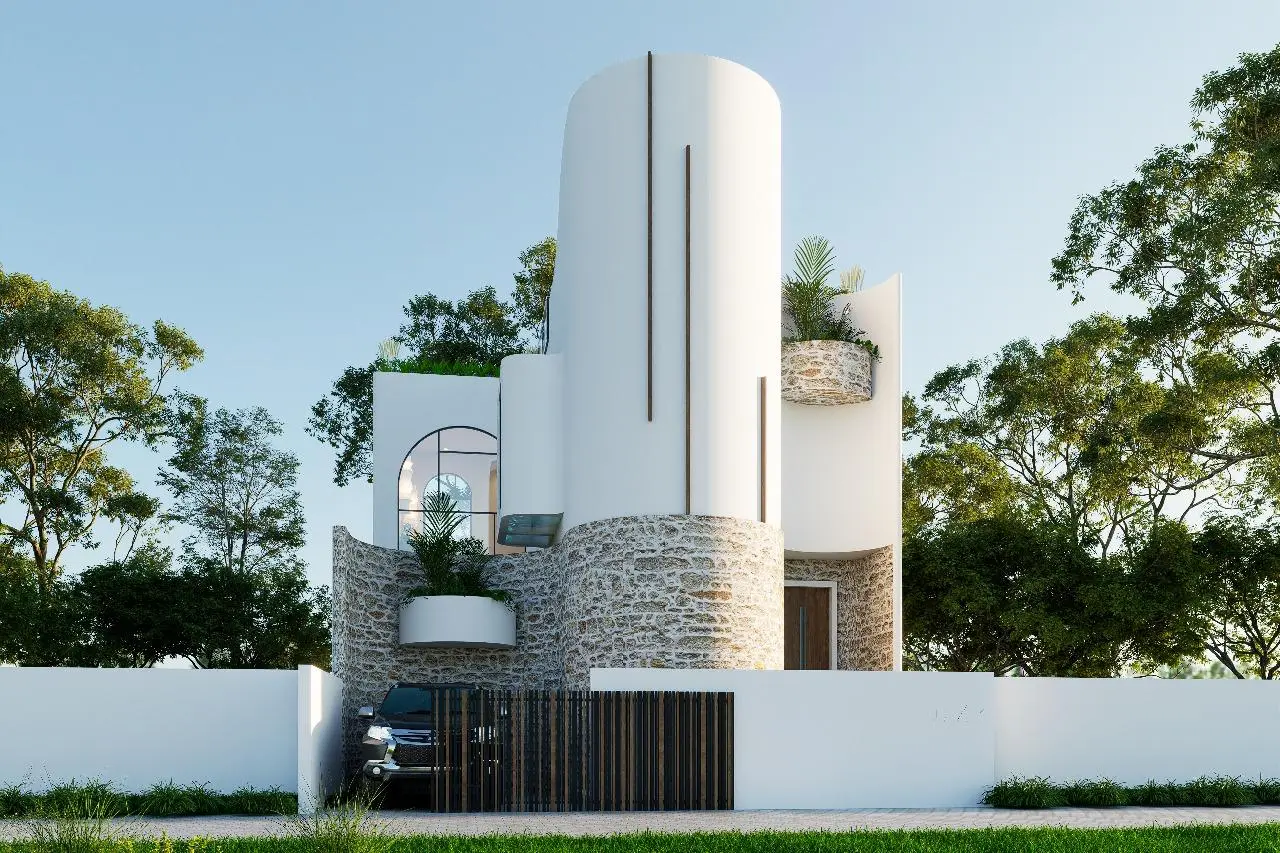
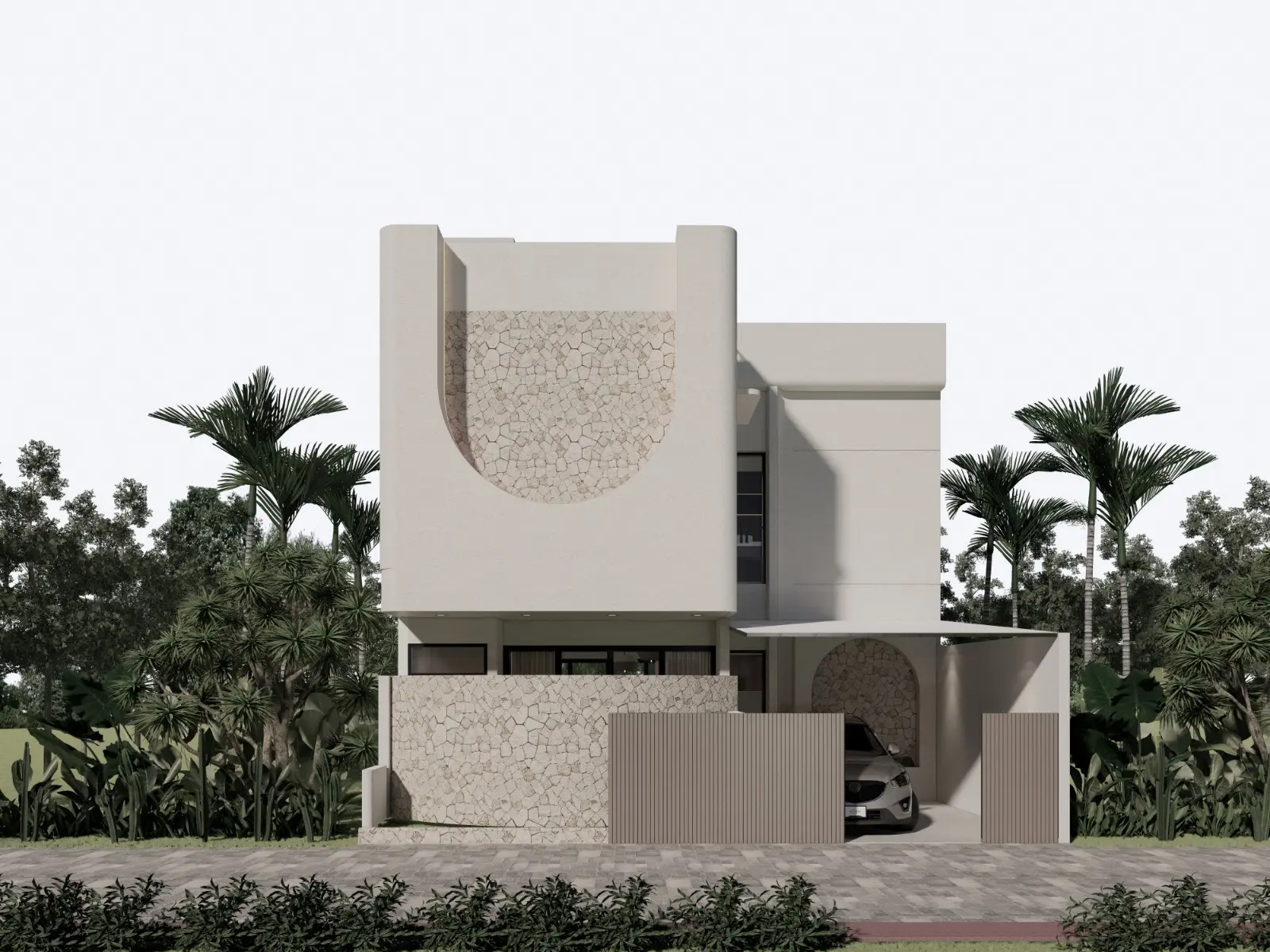
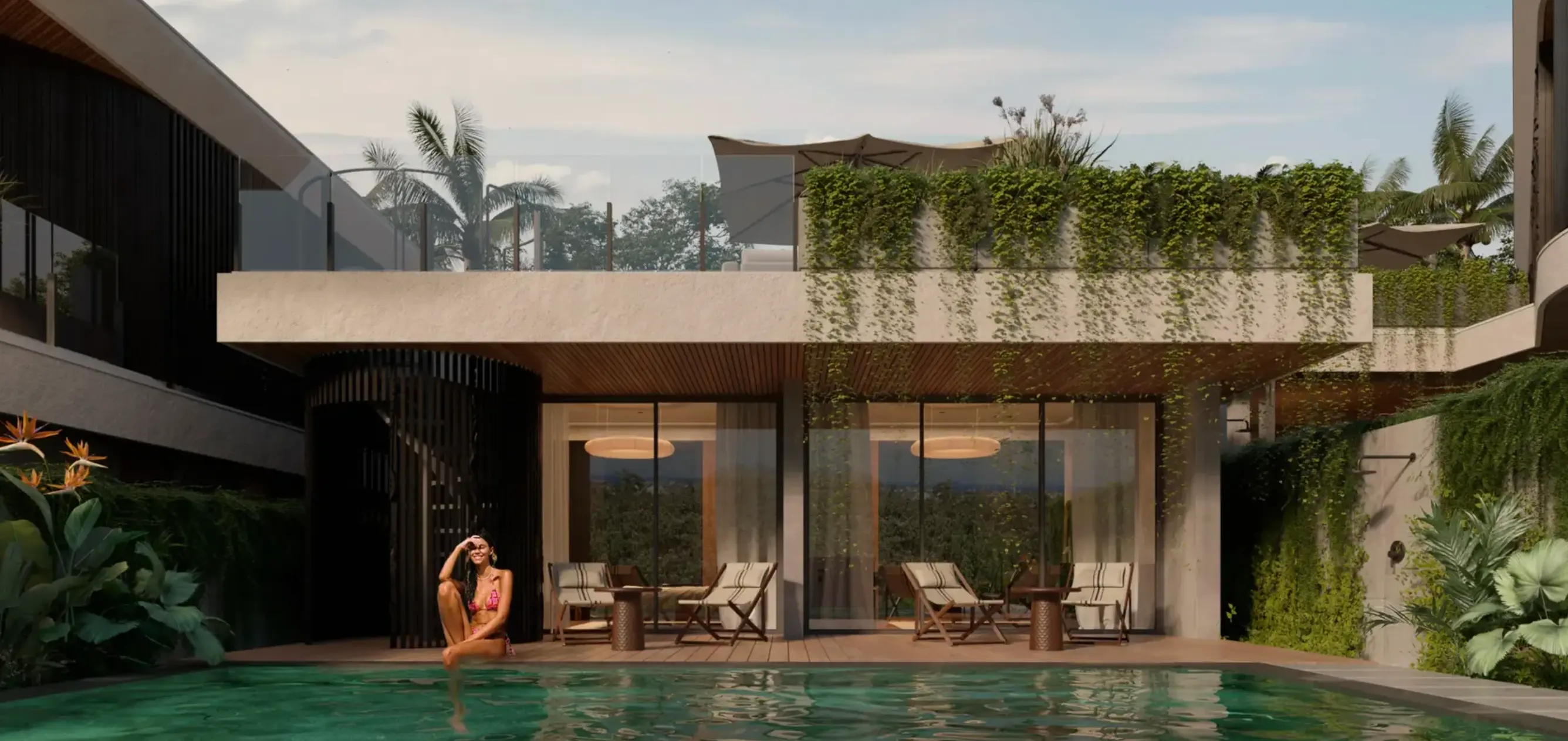
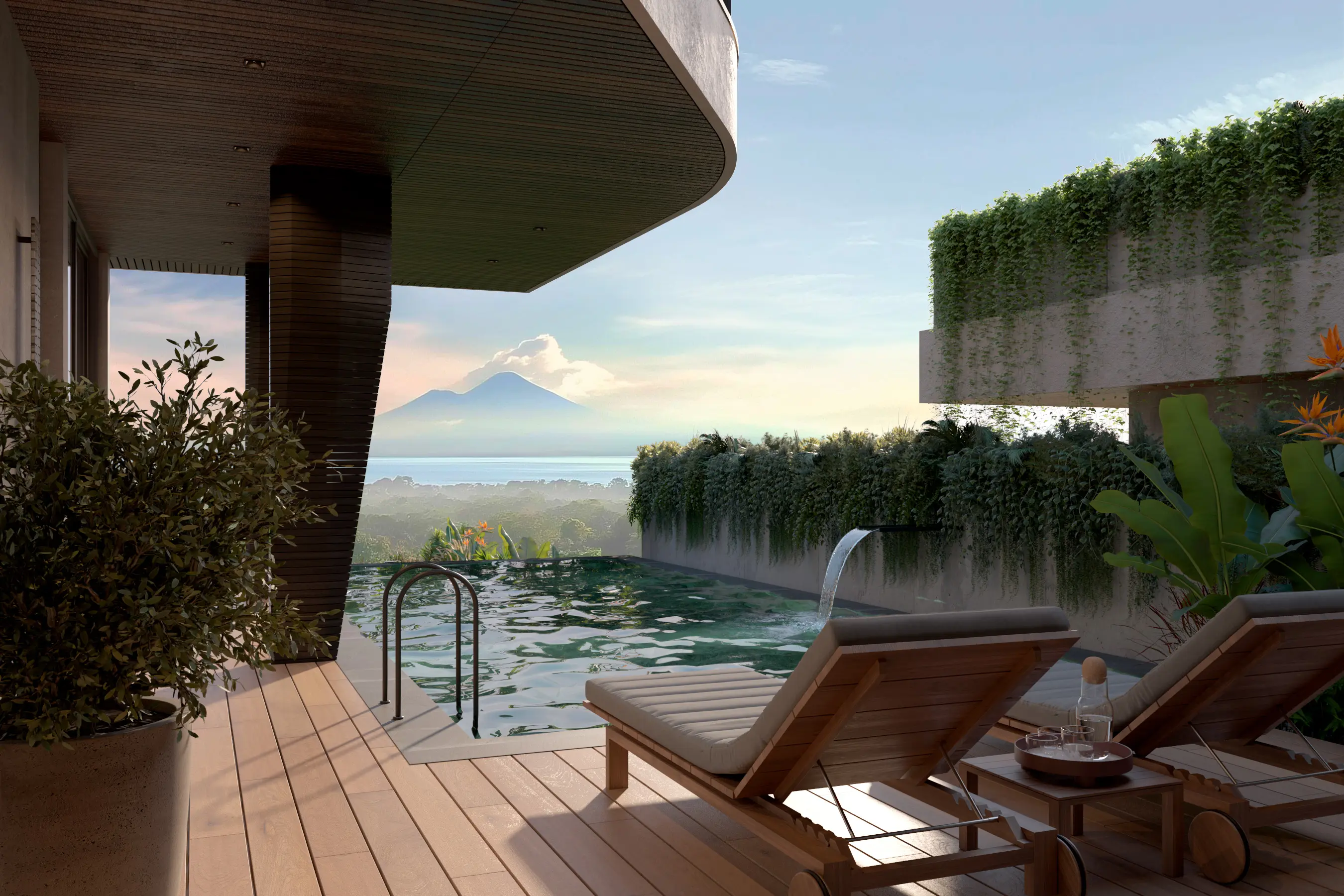
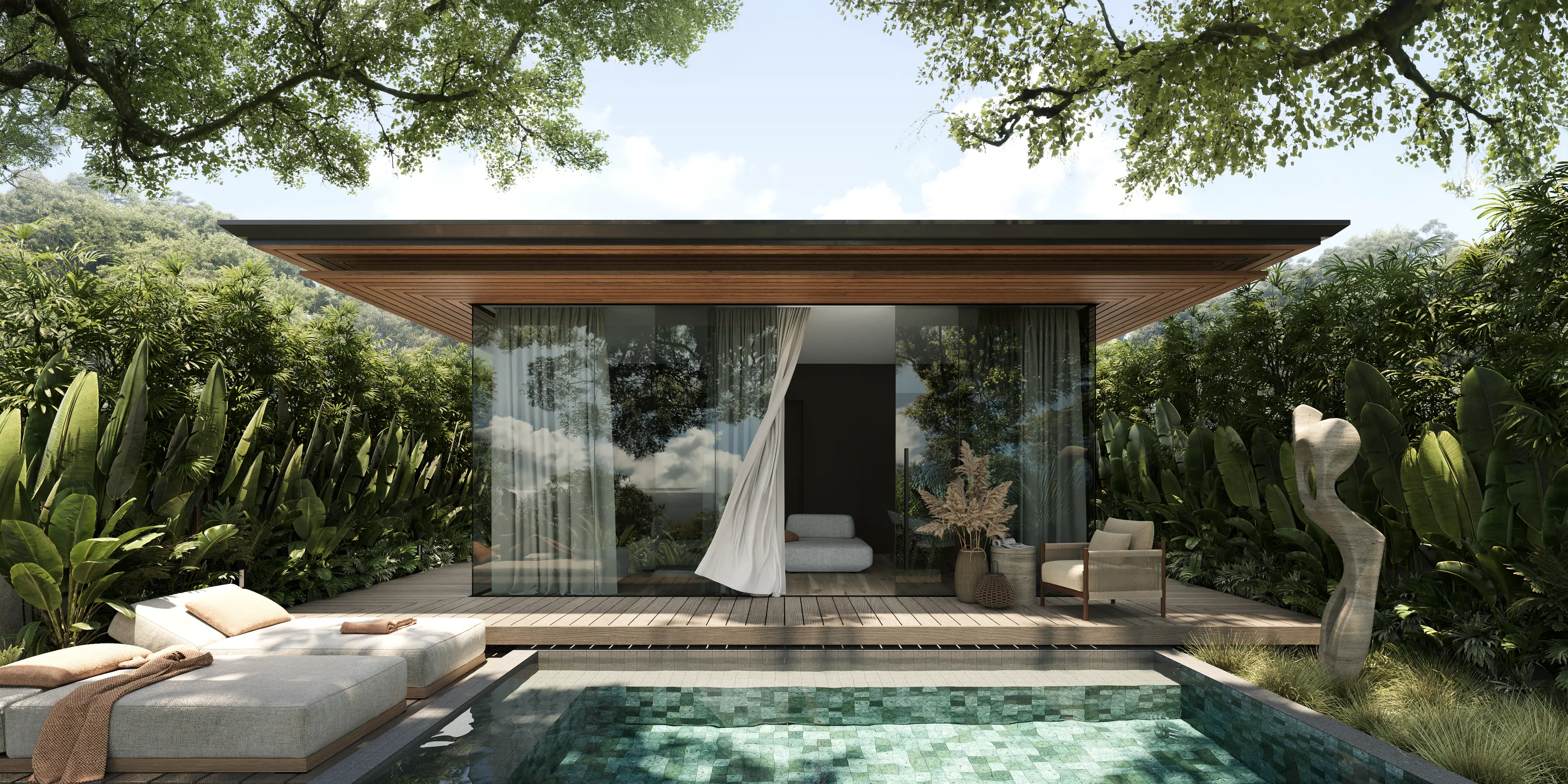
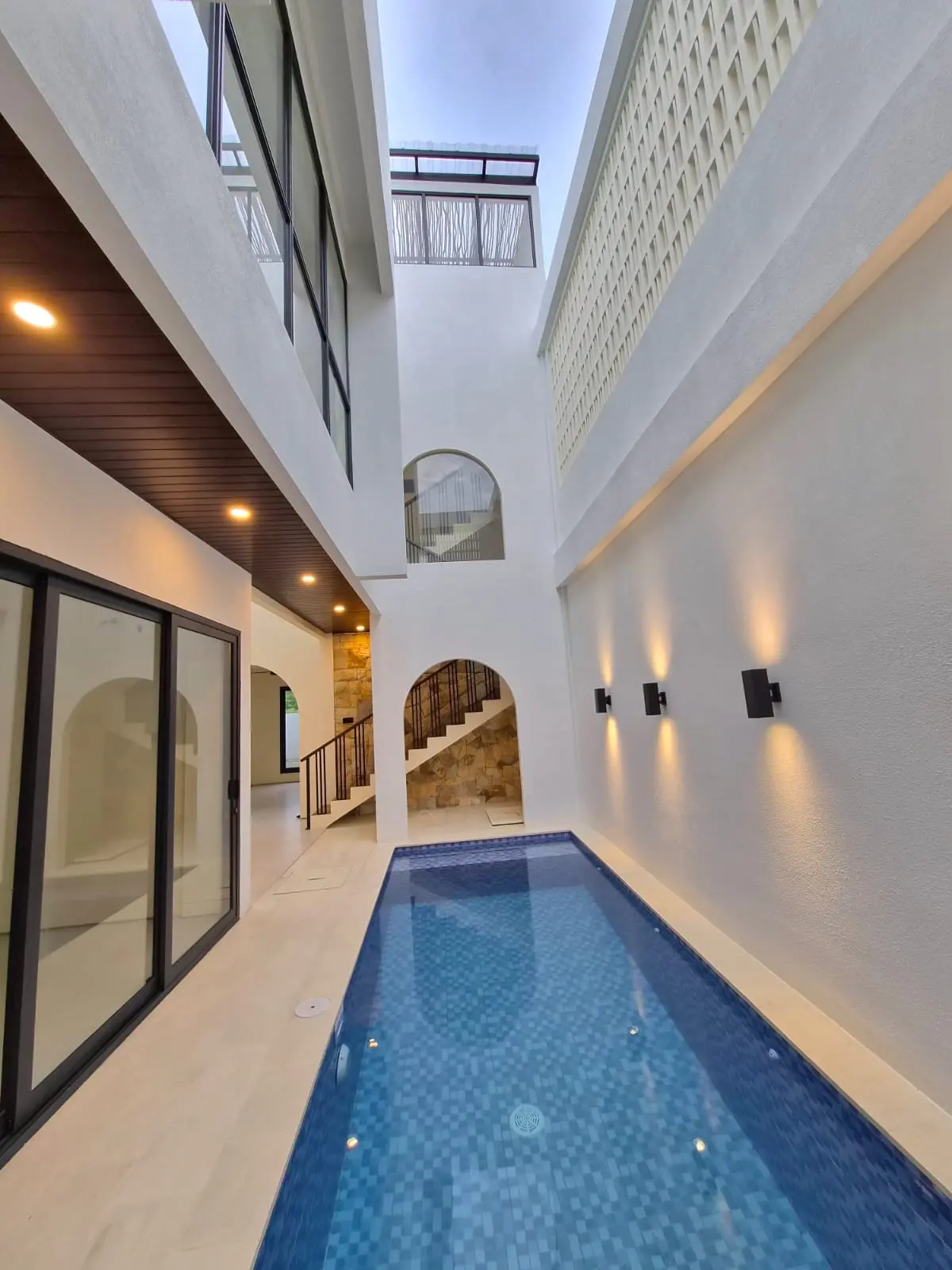
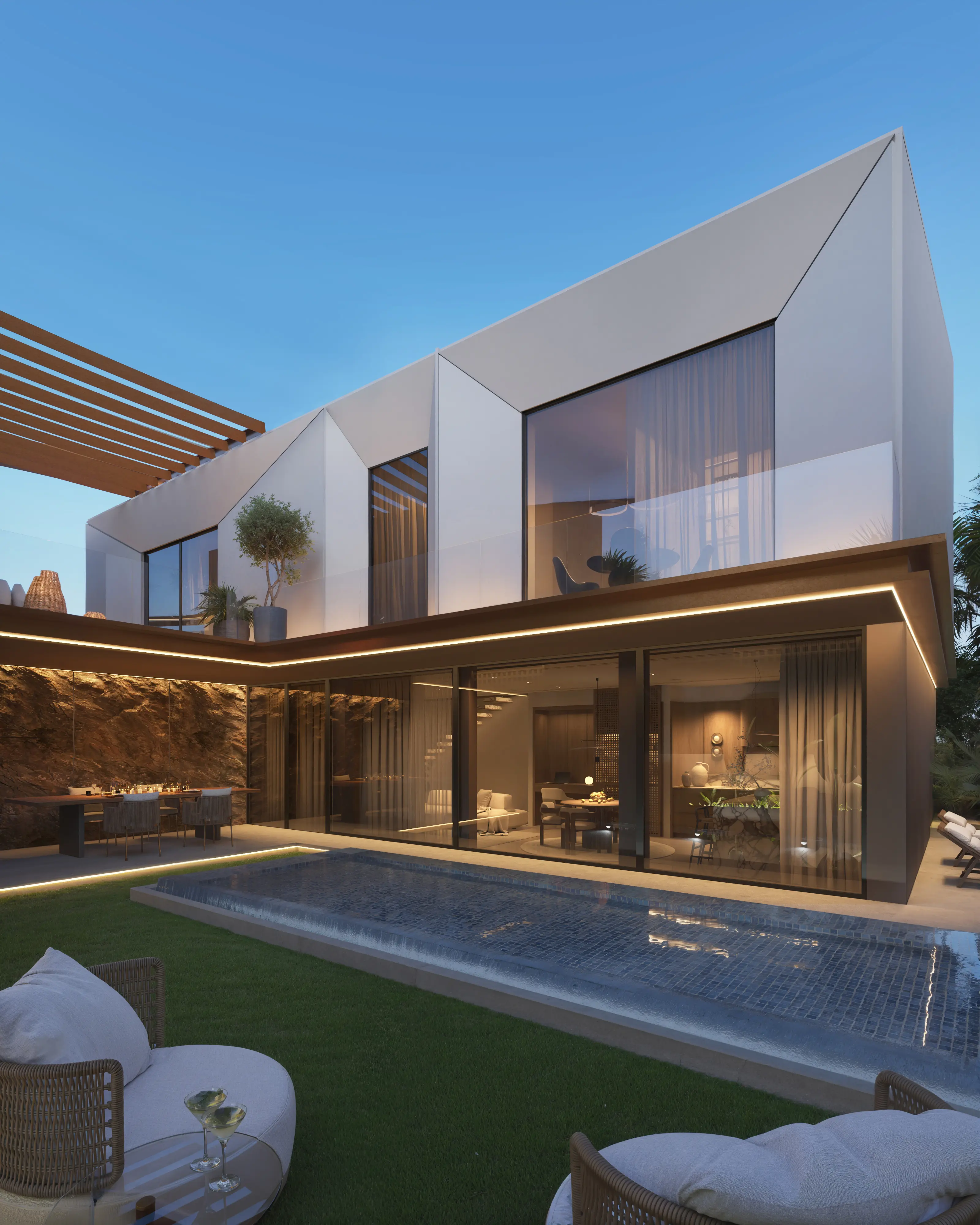
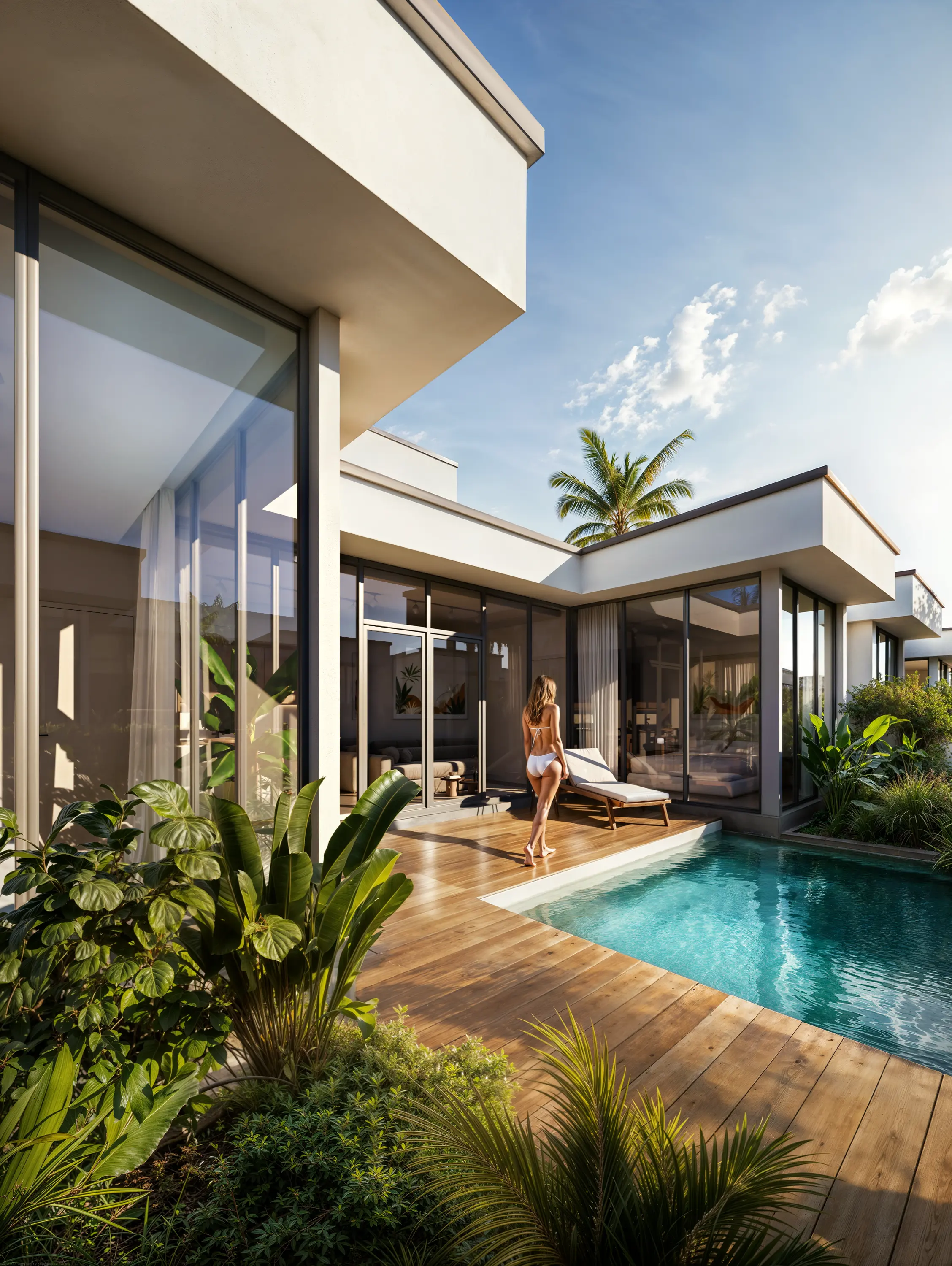
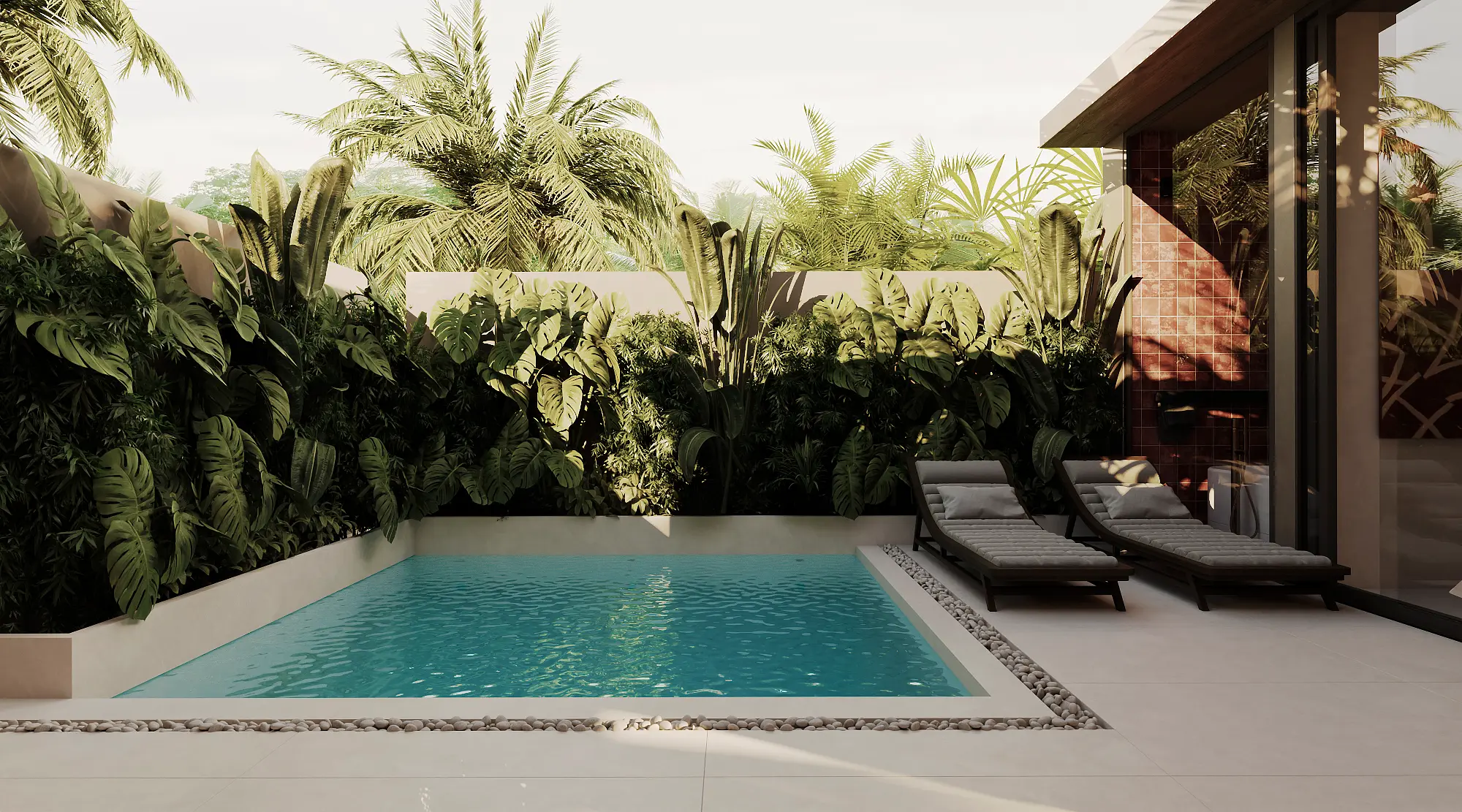
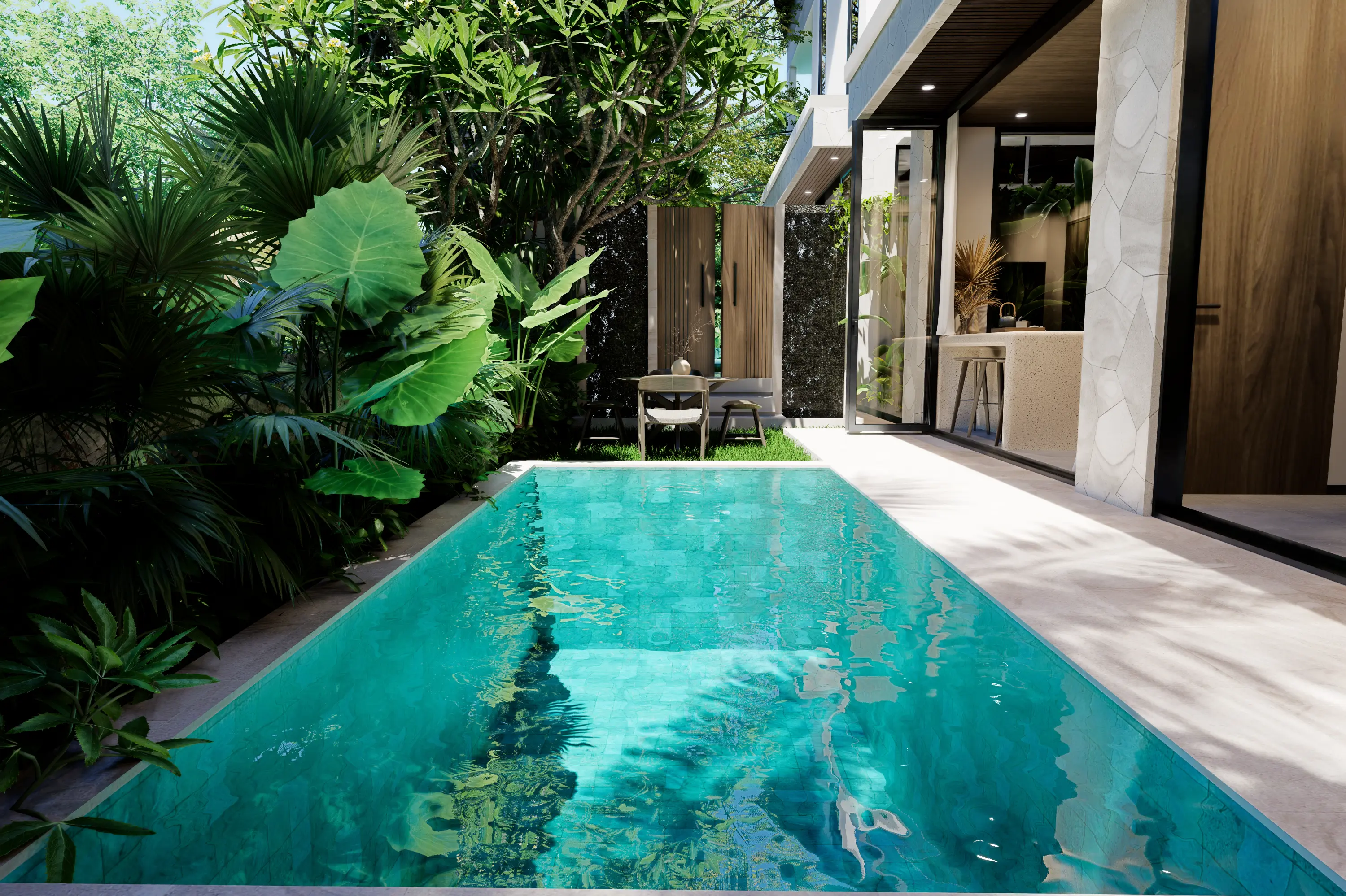
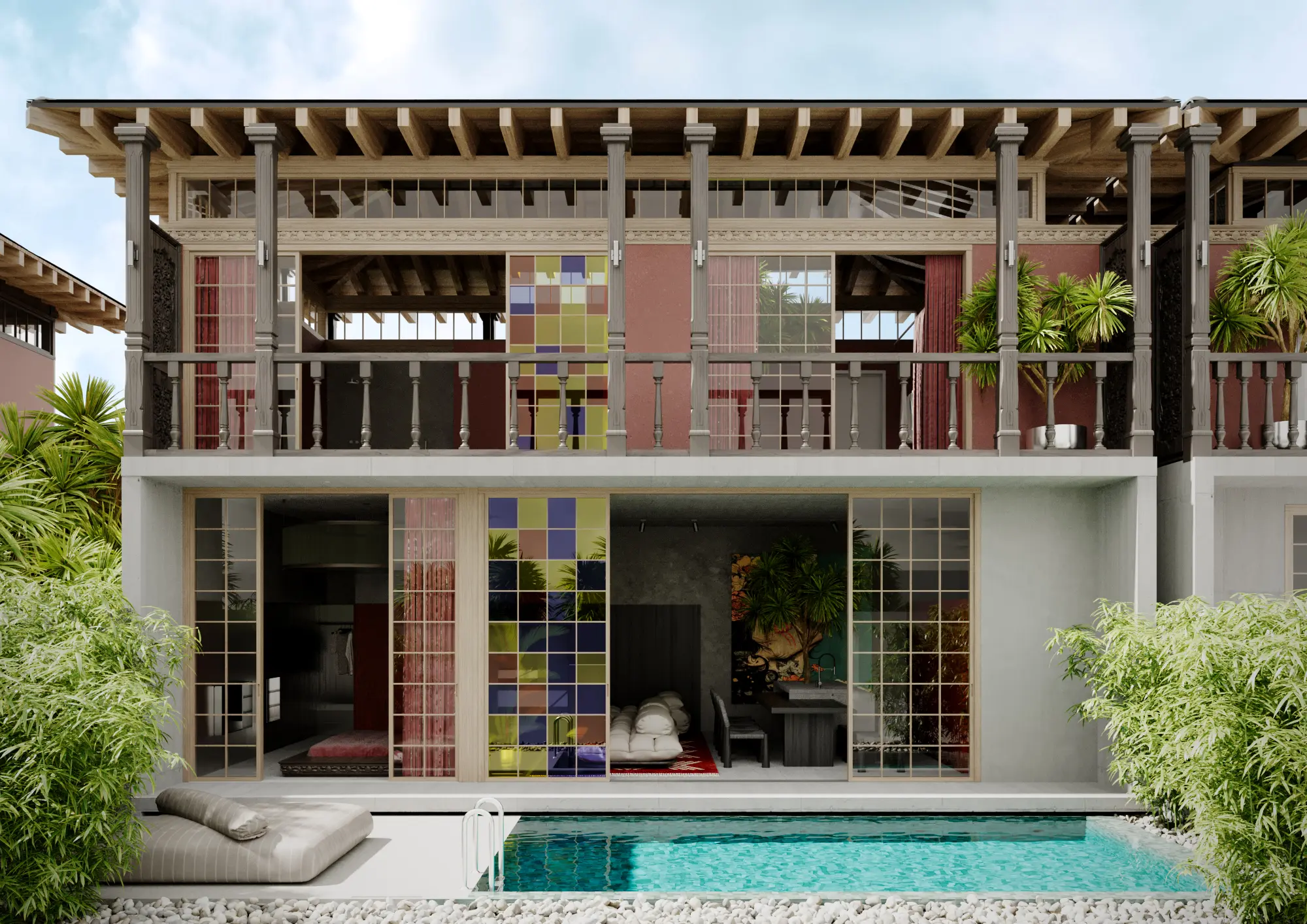
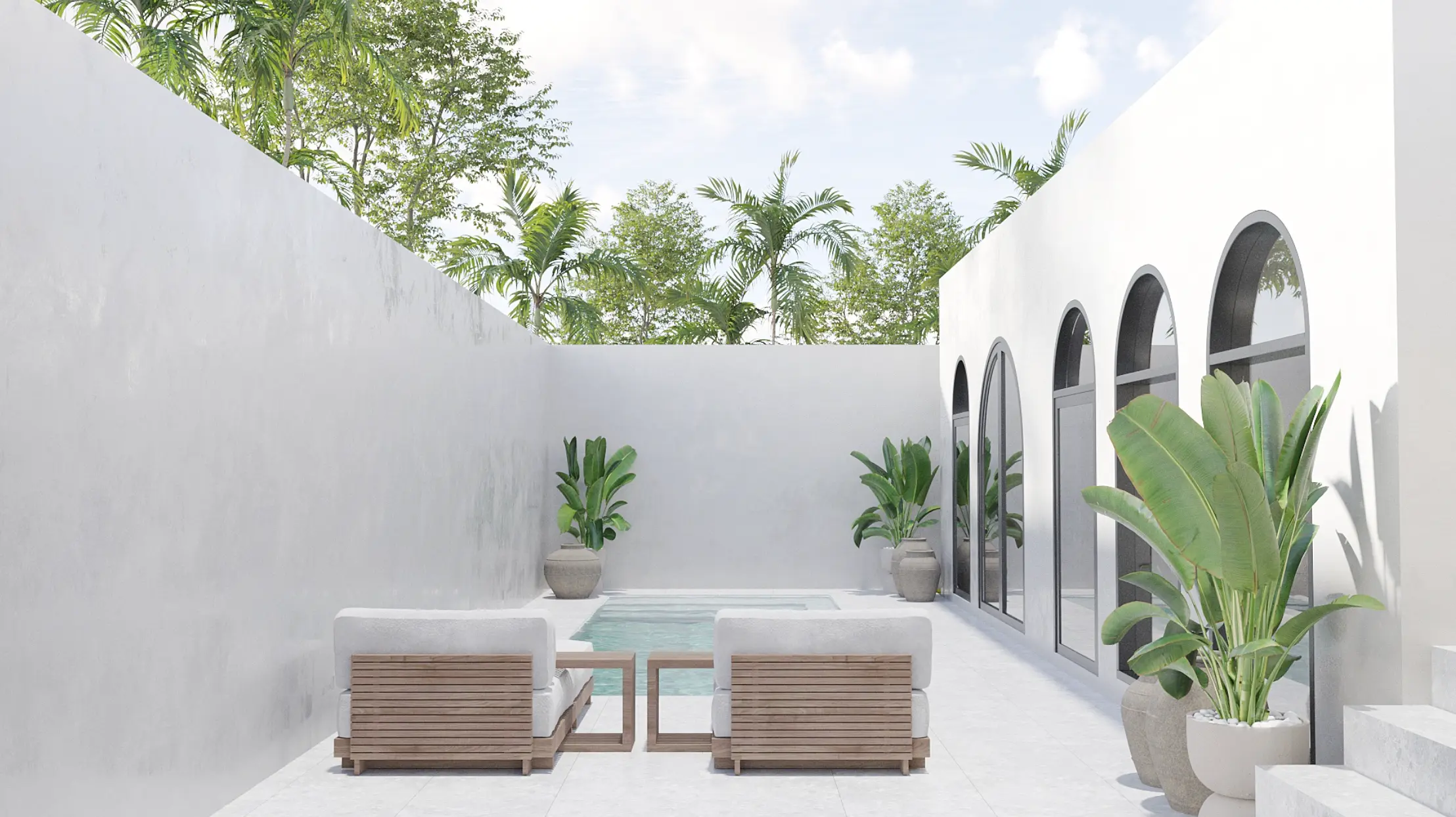
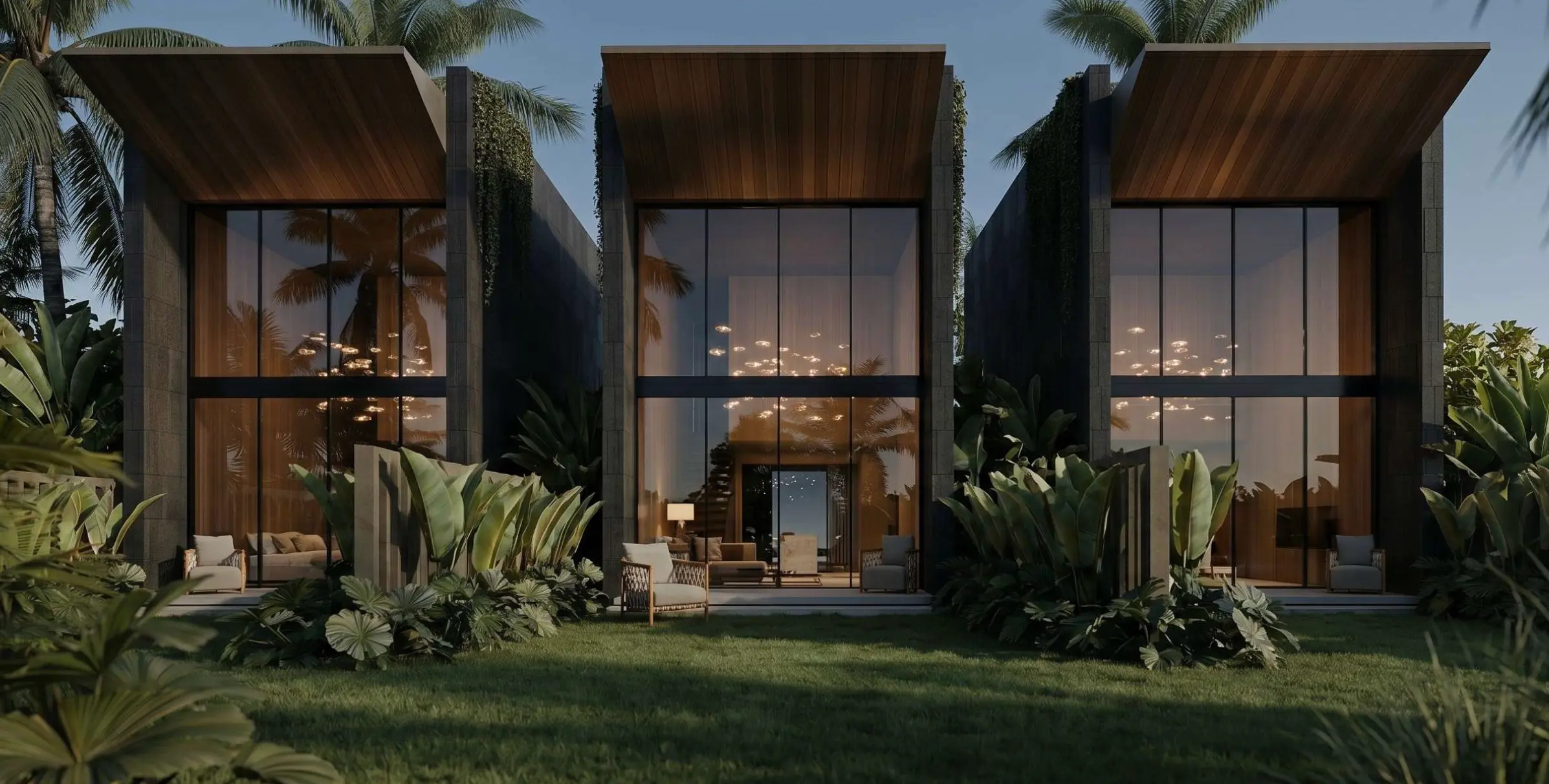
Nusa Dua is Bali's original purpose-built tourism precinct — the east-coast resort complex developed in the 1980s as a contained hospitality zone. 11 active primary-market villa projects with unit prices from $132,500 at the compact entry through $1,519,000 at the premium top end. Median villa unit $286,000.
What makes Nusa Dua villa product distinct
Nusa Dua villa inventory differs structurally from Uluwatu-cluster or Canggu product. First, hotel-management dominance: most Nusa Dua villa projects include integrated hotel-managed rental operations from day one, rather than the independent-operator model common elsewhere on Bukit. Second, tourism-precinct economics: the resort zone's captive tourism demand supports stable but moderate nightly-rate positioning rather than the peak-season premiums achievable on Uluwatu clifftops. Third, branded-residence availability: Nusa Dua has the island's deepest branded-residence villa pipeline — hotel-chain-affiliated product with operator lock-ins, brand fees, and rental-pool integration.
Typical configuration
At $132,500-$250,000, compact 1-2 BR villa product in hotel-managed compounds. Often shared amenities (pool, gym, F&B access) rather than individual-villa amenities.
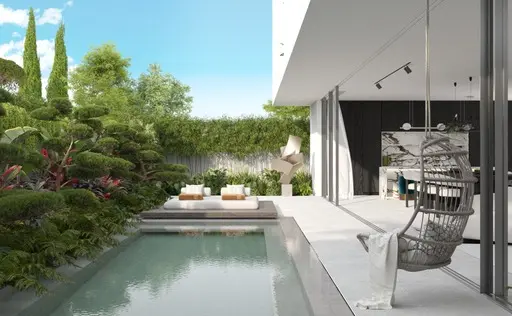
At $250,000-$500,000, 2-3 BR villa mainstream. Private pools standard at this band, typically within larger hotel-managed compound structures.
At $500,000-$1M, upper-range 3-BR villa inventory in premium hotel-managed compounds. Often associated with specific hotel brand affiliations.
At $1M-$1.5M, premium branded-residence villa product — 3-4 BR formats with full hotel integration, brand-affiliation fees, and rental-pool participation.
Operator structure
Nusa Dua villa inventory typically comes with multi-year operator arrangements — hotel-managed rental pools with 20-40% revenue shares, brand-participation fees, and restricted independent-operation options. Buyers should understand brand-exit mechanics (sometimes requiring operator buy-back or master-agreement assignment) before committing.
Tenure and zoning
Leasehold-dominant. Lease terms on hotel-managed product sometimes extend beyond standard 25-30 year norms given operators' longer master leases. Zoning uniformly Pink (tourism) within the resort complex.
Who buys
Passive-yield investors attracted by the operator-managed simplicity and predictable tourism-precinct revenue. Asian institutional and family-office buyers active specifically in branded-residence pipelines. Portfolio-diversification buyers seeking Bali exposure with minimum operational complexity.