
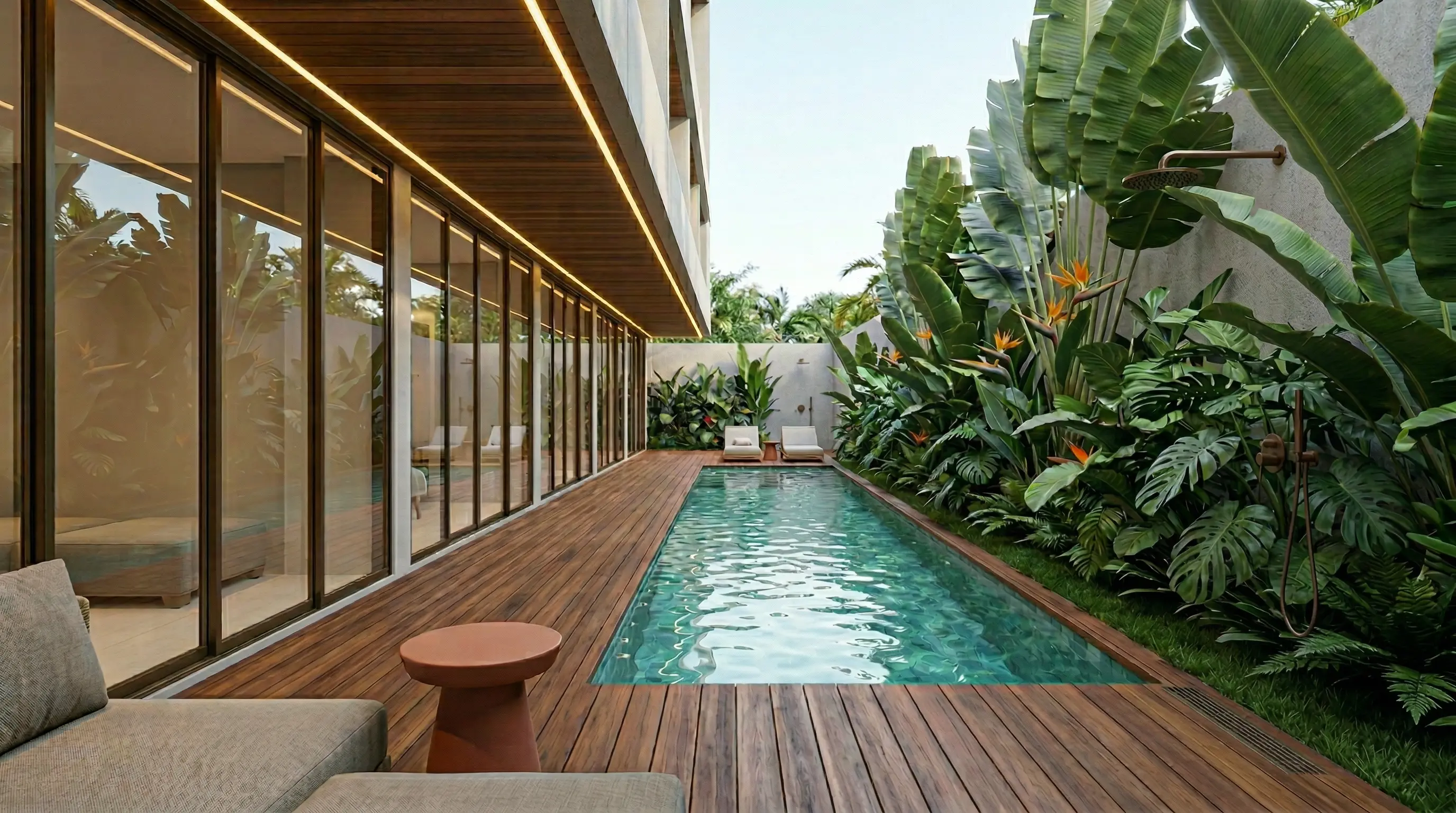
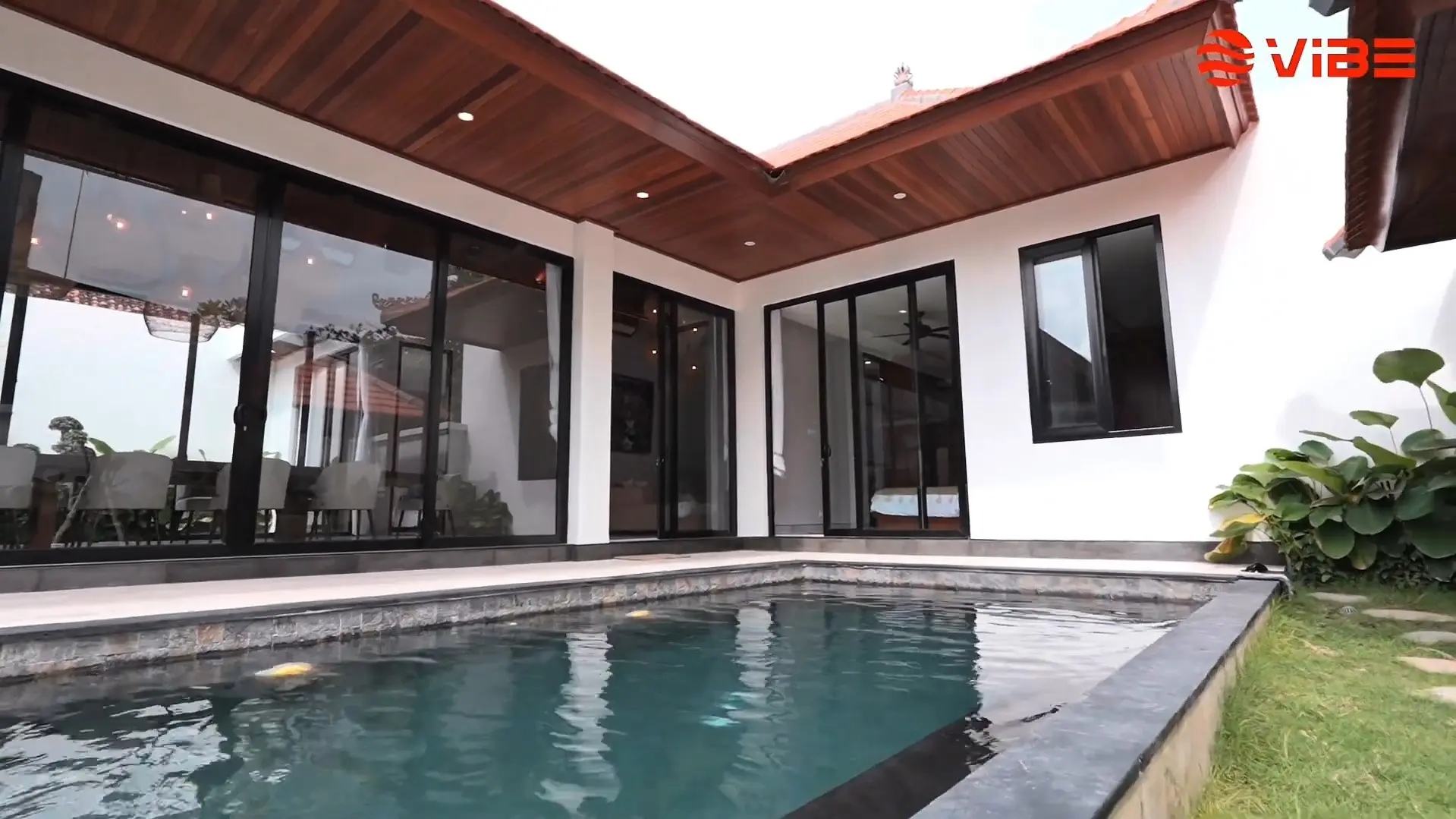
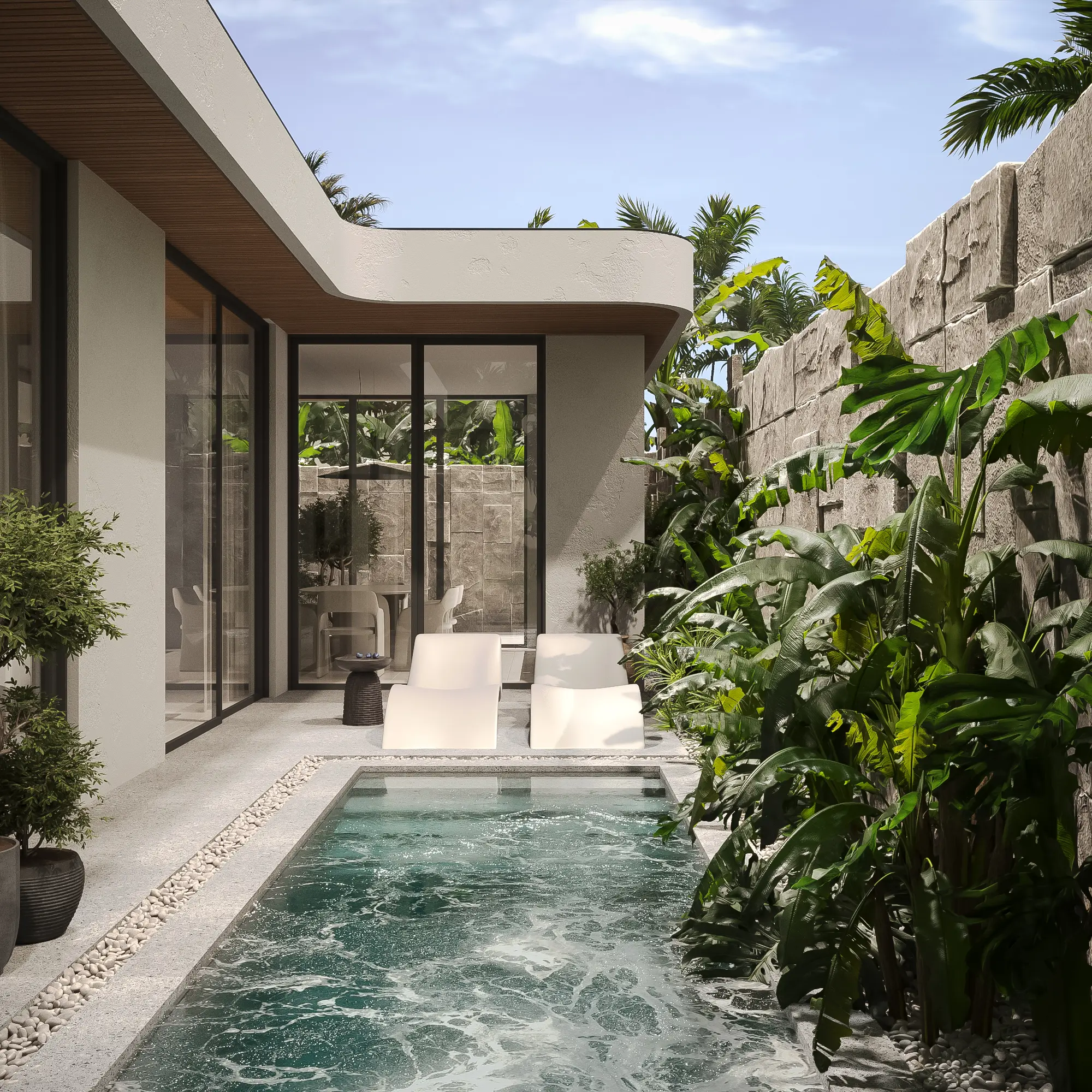
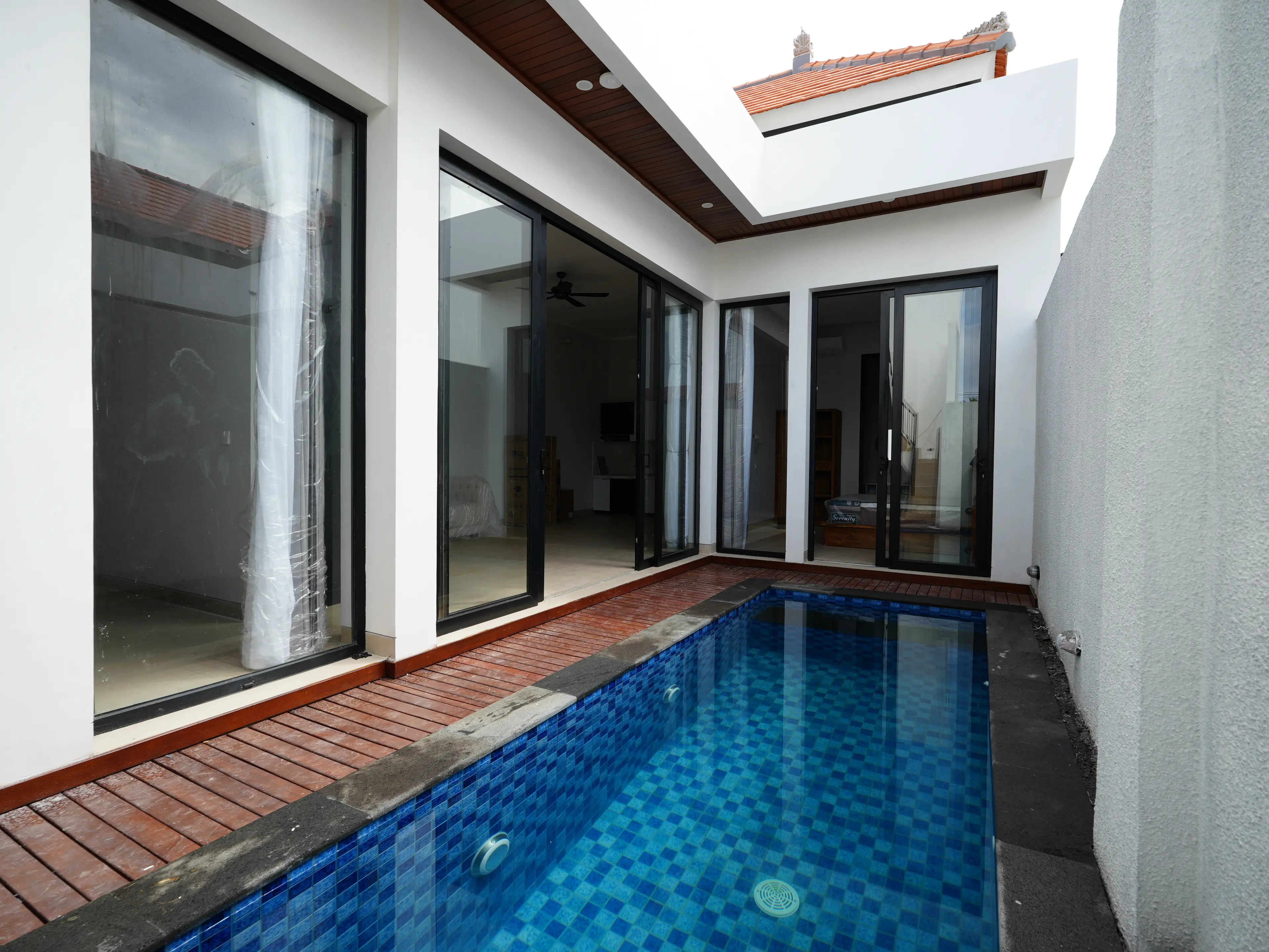
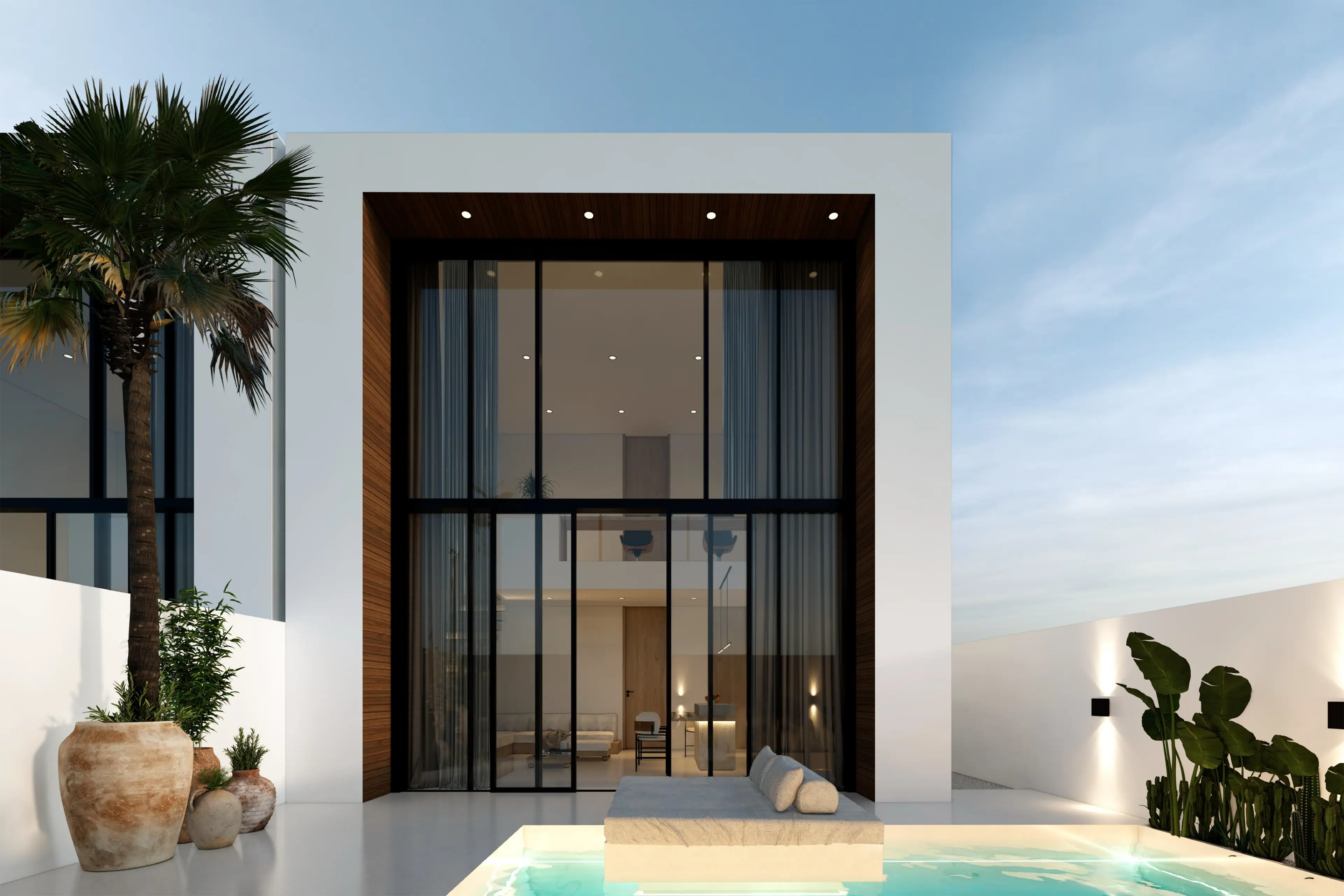
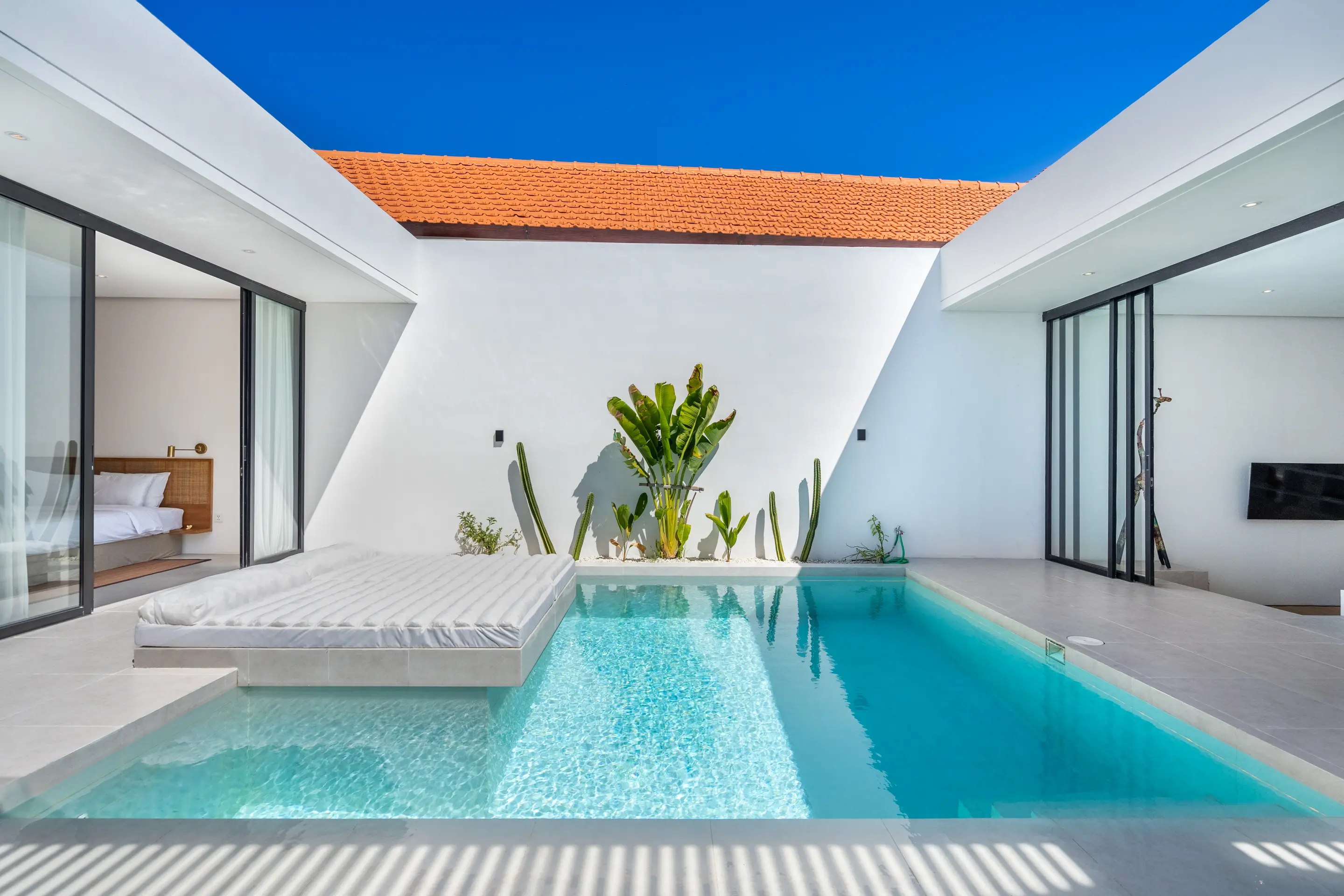
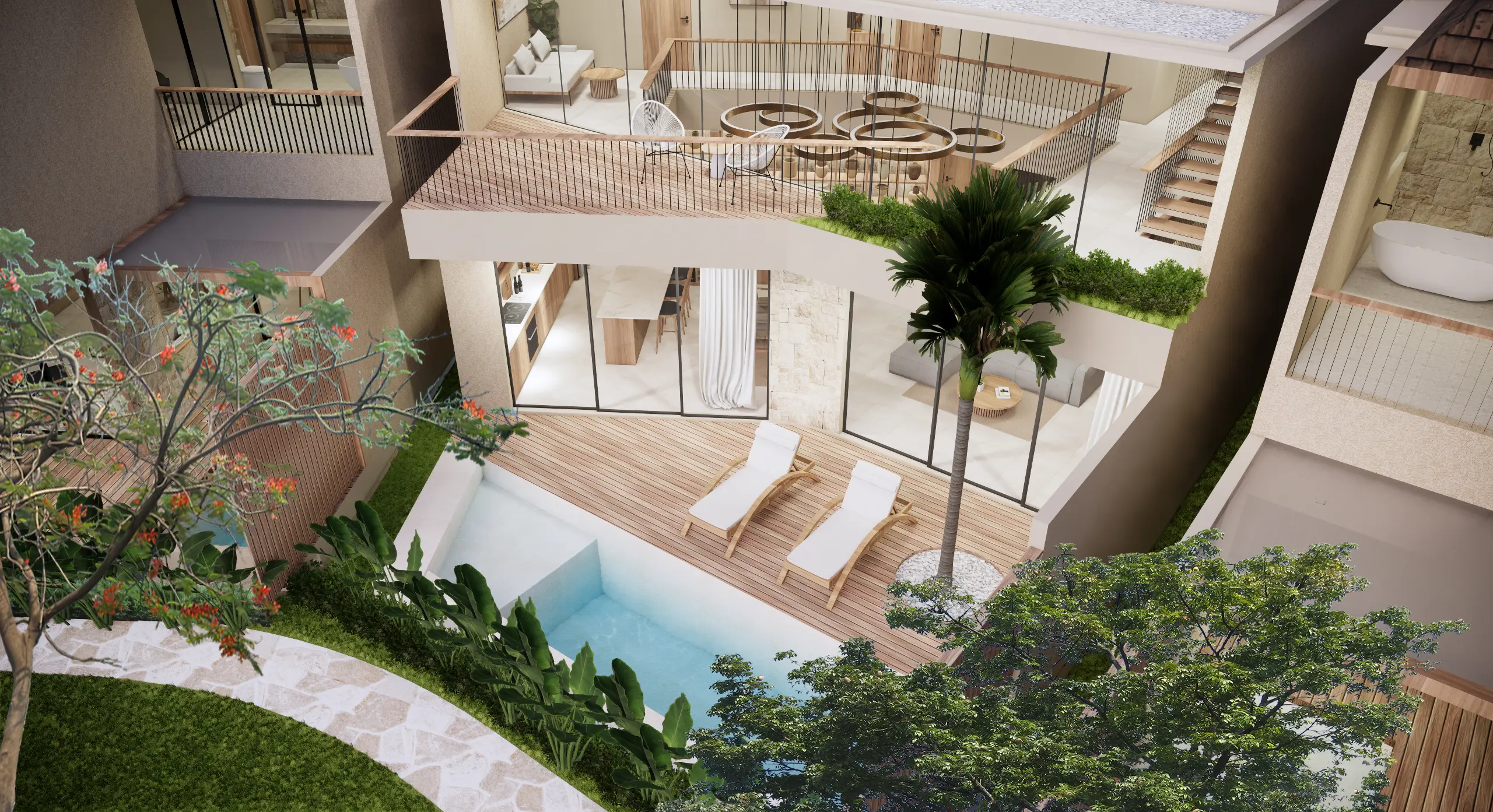
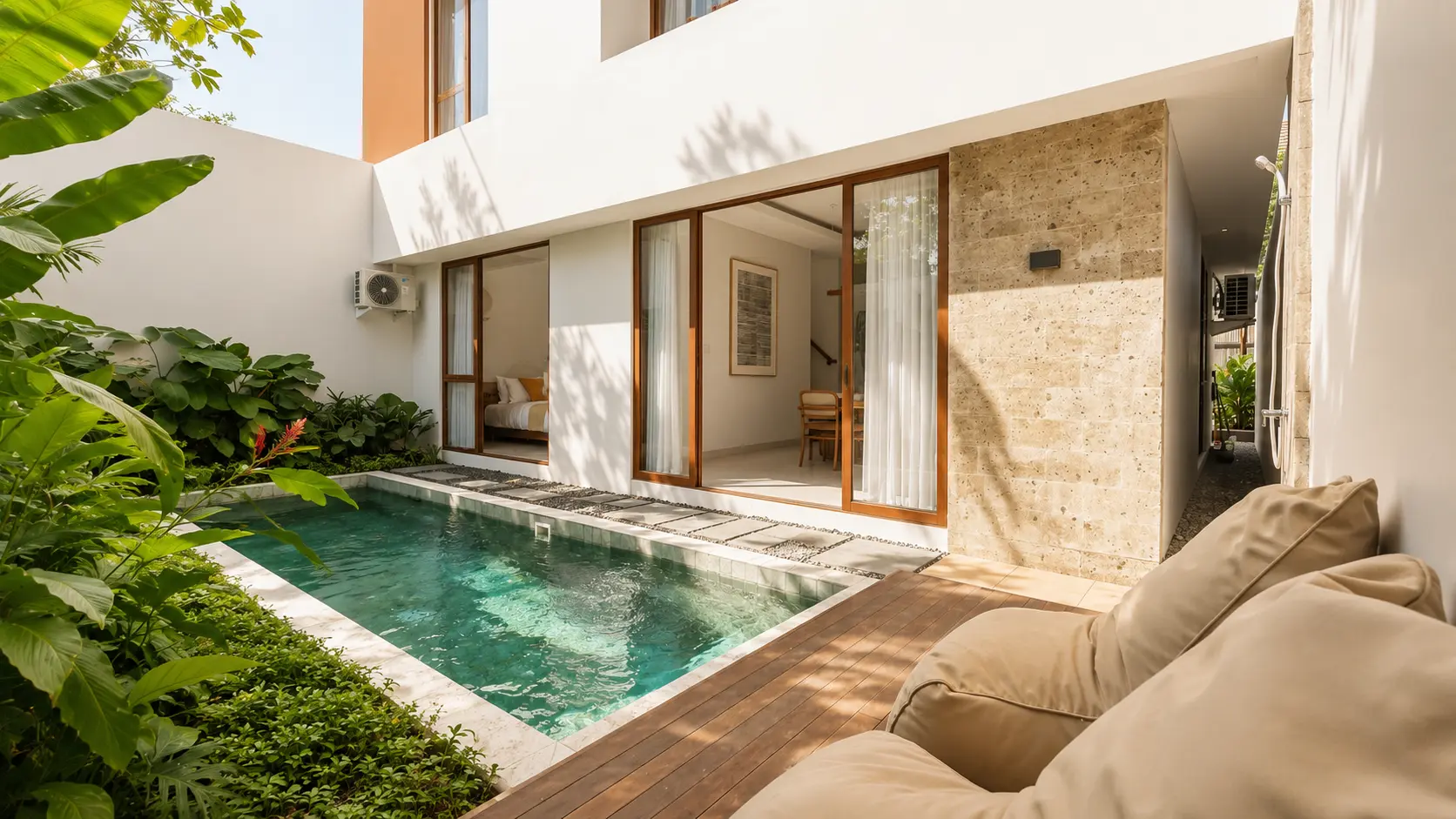
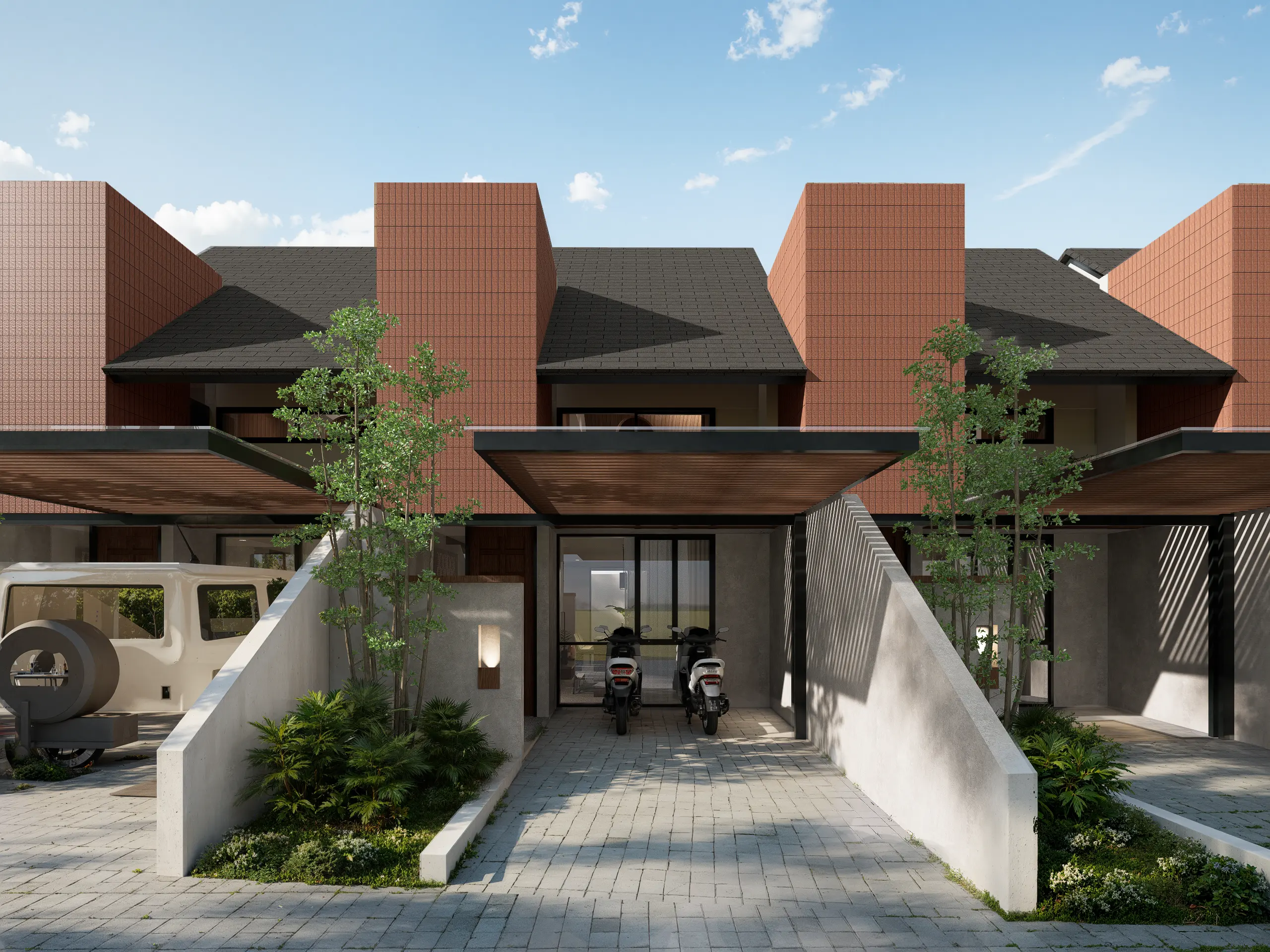
Sanur is Bali's original beach-resort neighborhood — the area that welcomed international tourism from the 1930s onward and built out its core infrastructure through the 1970s and 1980s, well before Seminyak's rise in the 2000s or Canggu's transformation in the 2010s. That history shapes today's Sanur property market: commercial infrastructure is mature, residential character is established, and new primary-market development happens at a deliberately-compact scale rather than the larger waves transforming other Bali coastal zones.
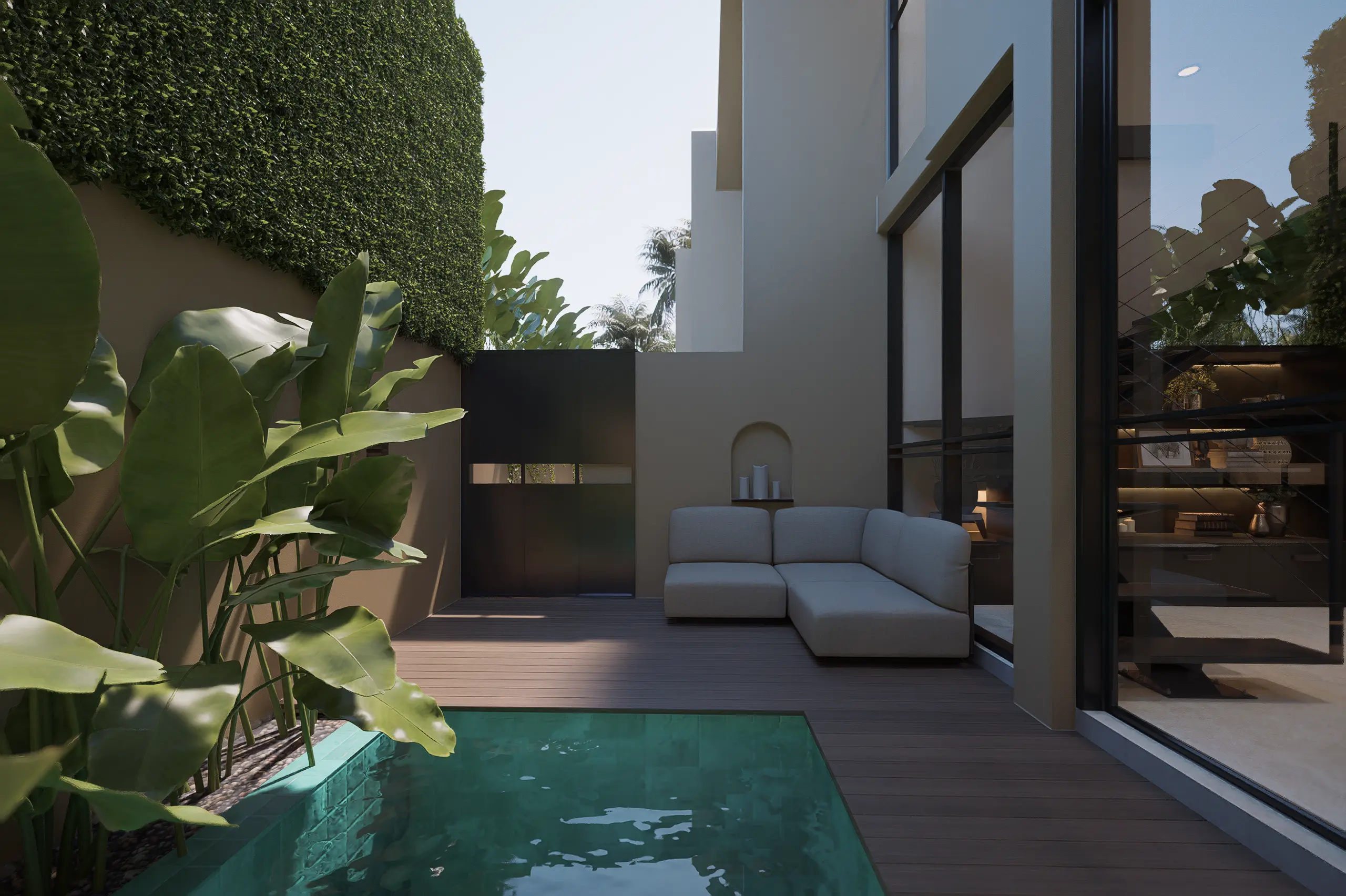
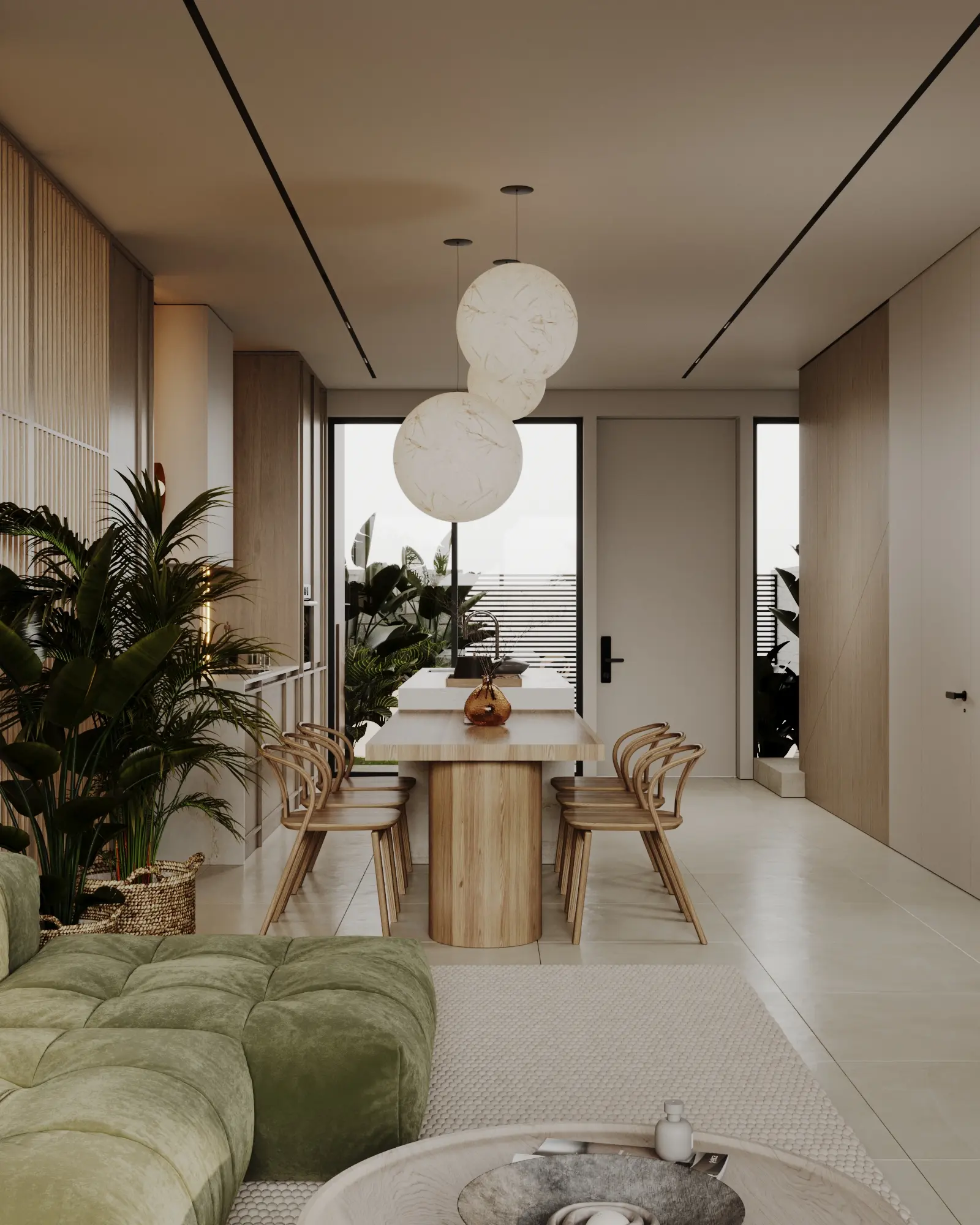
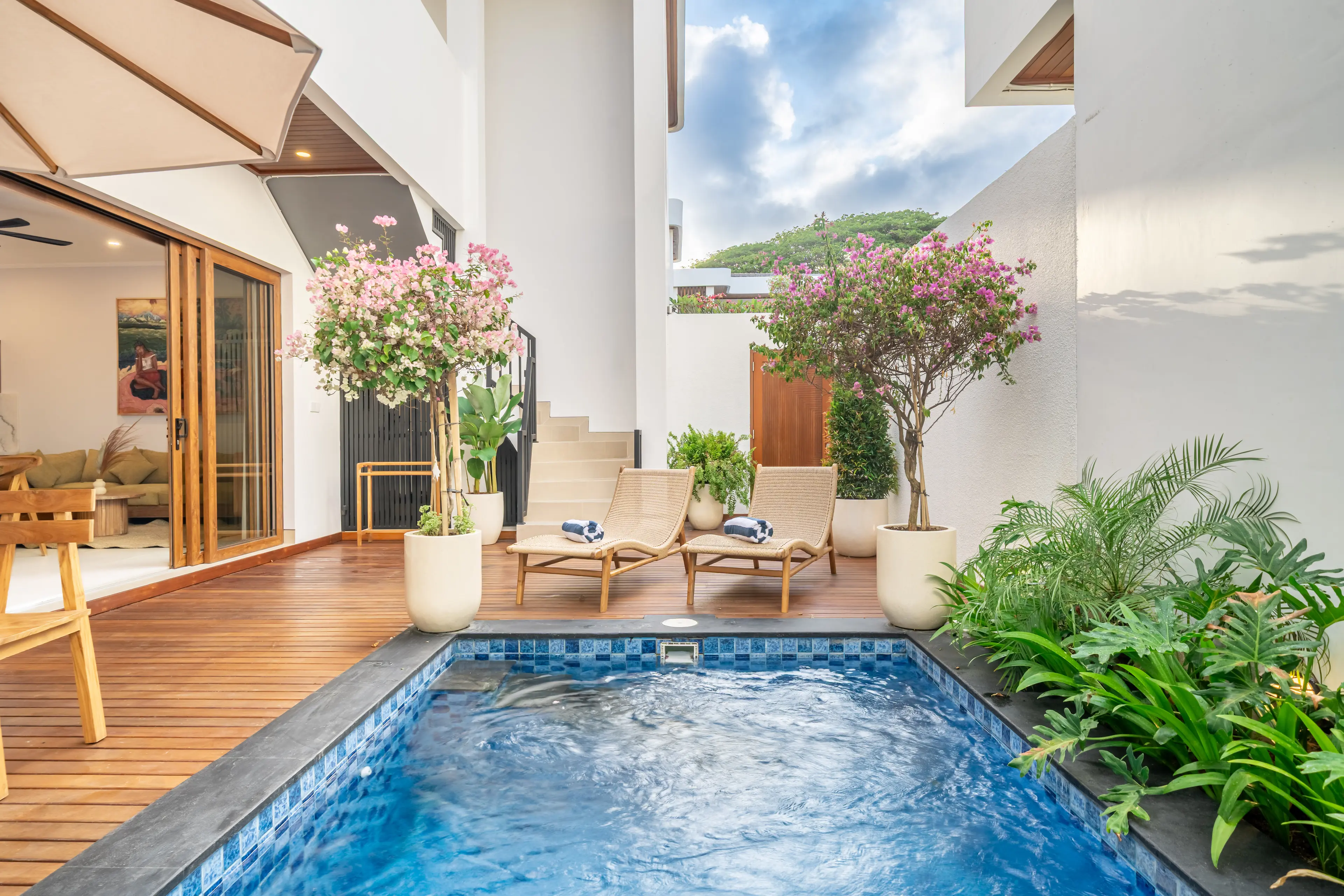
Our dataset currently tracks 4 active primary-market projects in Sanur with prices from $85,000 at the compact studio entry to $461,000 at the villa top end; median unit sits at $305,000. Like Seminyak, Sanur's built-out status means most property transactions happen through resale rather than new development. When new projects do emerge, they're typically boutique-scale — small villa compounds, serviced-apartment buildings of 10-30 units rather than the larger compound developments common in Pererenan or Uluwatu.
What defines the Sanur market
Three factors shape Sanur's property character. First, east-coast geography: Sanur faces the Bali Sea, which means calmer water and sunrise-over-ocean views rather than the Indian Ocean sunsets of Canggu and Bukit. This suits a specific buyer profile — families with young children who prefer protected water, retirees, long-stay residents who value the calmer ambience. Second, mature commercial infrastructure: Sanur's beachside boardwalk, restaurant-cluster, hotels, and medical facilities have been established for decades rather than rapidly built up during the Canggu wave. Third, demographic leaning: Sanur attracts an older expatriate and resident demographic compared to Canggu or Bukit, which shows up in the property mix toward family and retirement-adjacent villa product rather than daily-rate rental-operator inventory.
Who buys in Sanur
Buyer mix differs meaningfully from the younger coastal Bali markets. Long-stay European and Asian retirement-adjacent buyers drawn to mature infrastructure and calmer ambience. Established expatriate families with school-age children using Sanur's long-running international schools. Second-home buyers with primary residences elsewhere seeking a quieter Bali base than Canggu's busier strip. Traditional daily-rate STR operators are rare — Sanur's demographic pattern doesn't support their model as effectively as Canggu or Uluwatu.
Tenure and inventory
Given the compact primary-market pipeline, detailed tenure breakdowns are less instructive than in larger regions. Leasehold remains dominant following broader Bali patterns; some mature freehold inventory exists in the resale market. Buyers targeting Sanur specifically should consider both primary-market and resale channels rather than focusing exclusively on new-development inventory.
Sanur's mature character suits investors prioritizing lifestyle stability, established rental patterns, and proximity to mature medical and educational infrastructure over the higher-growth volatility of Canggu's rapid-development market or Uluwatu's cliff-strip surf-tourism cycle.
At Sanur's primary-market price point ($85K-$461K across current inventory), the value proposition is genuinely different from Canggu or Bukit: buyers aren't paying a premium for mature Sanur infrastructure, they're paying standard mid-band Bali pricing for access to that infrastructure.
Related searches
- Canggu — busier west-coast alternative
- Ubud — inland alternative with long-stay character
- Nusa Dua — purpose-built resort precinct as a Sanur alternative for passive-yield buyers
Sanur's primary-market pipeline is smaller than other Bali regions. Buyers should consider both primary-market and resale channels for comprehensive Sanur inventory coverage.