
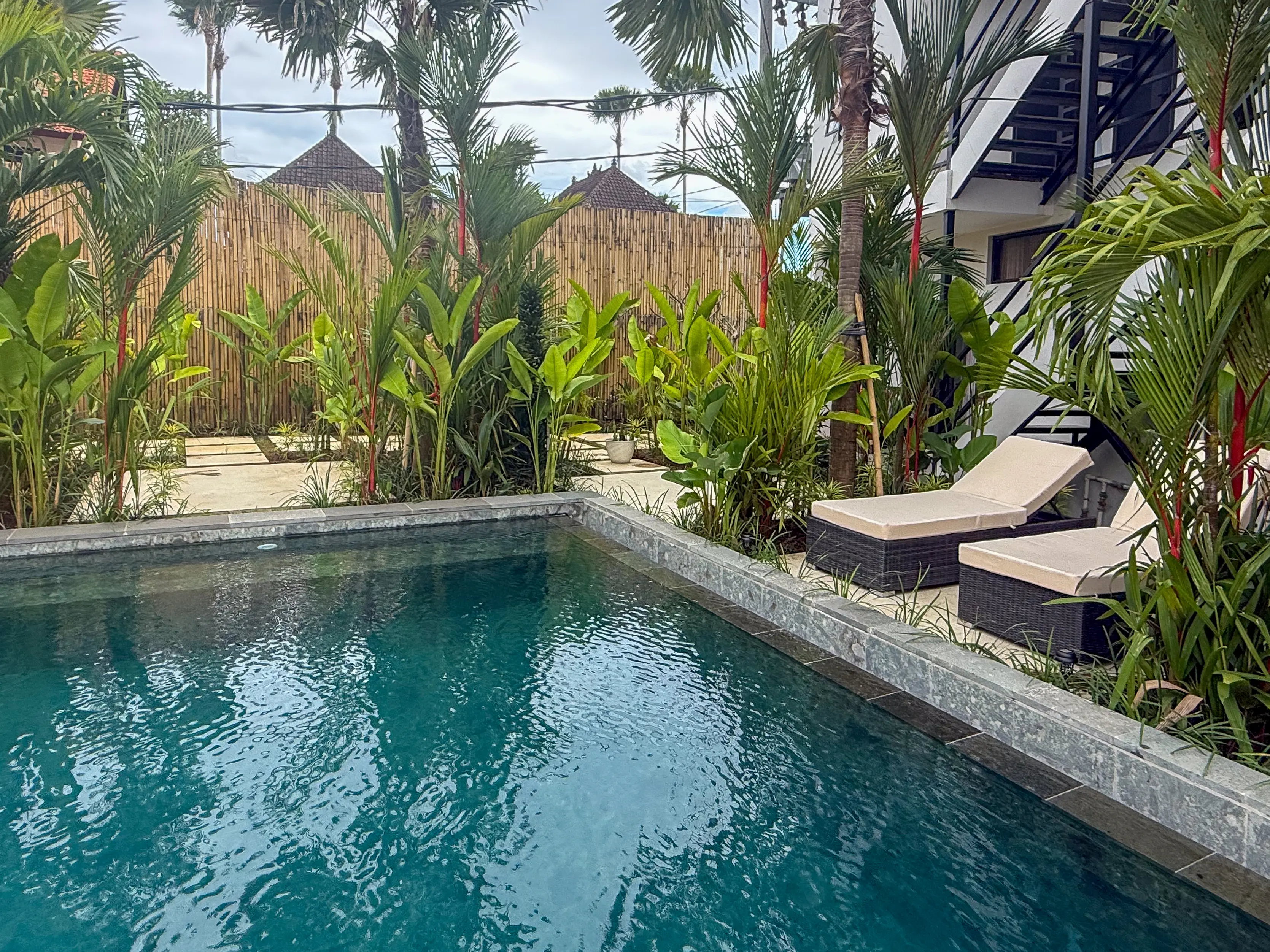
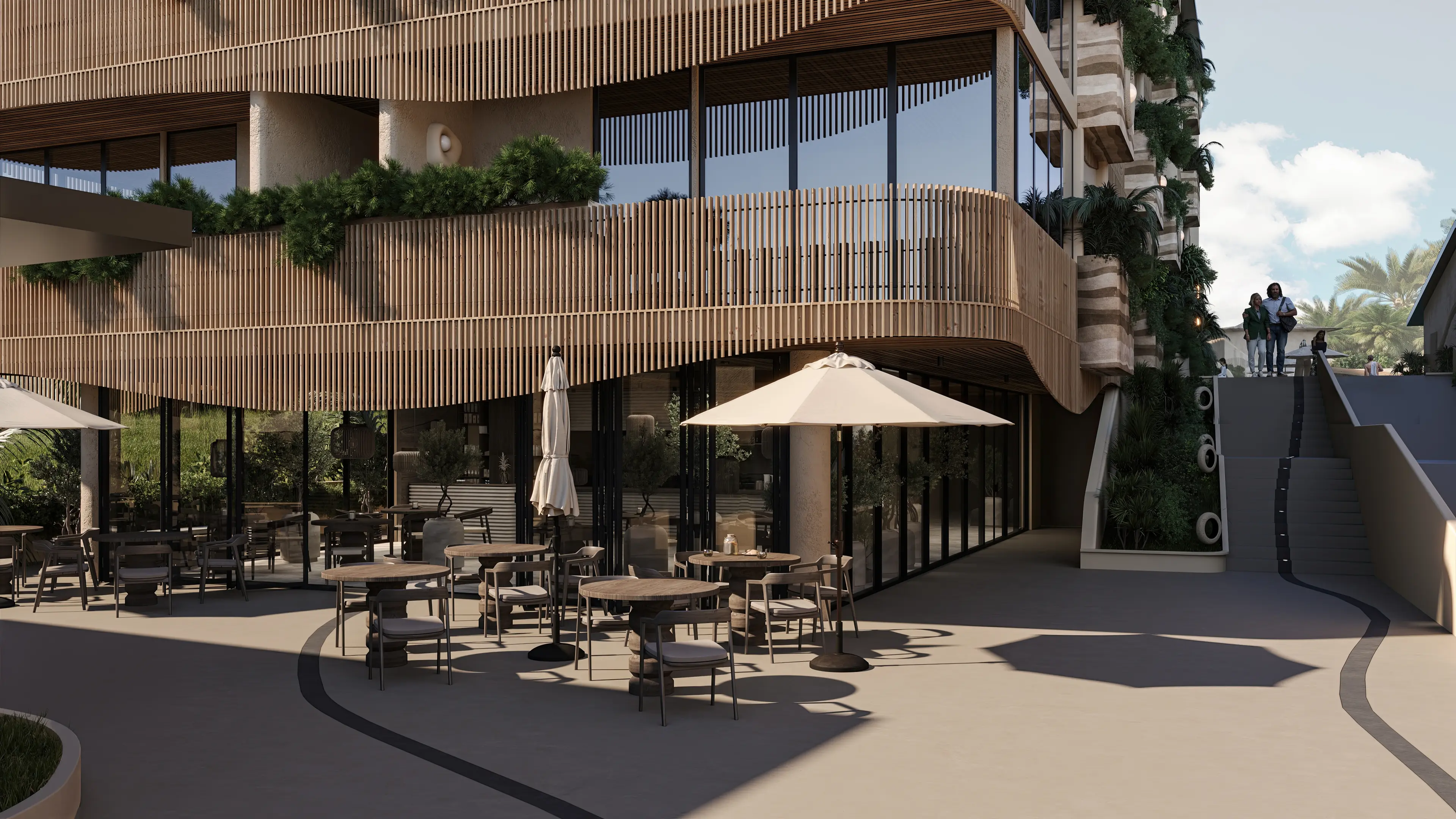
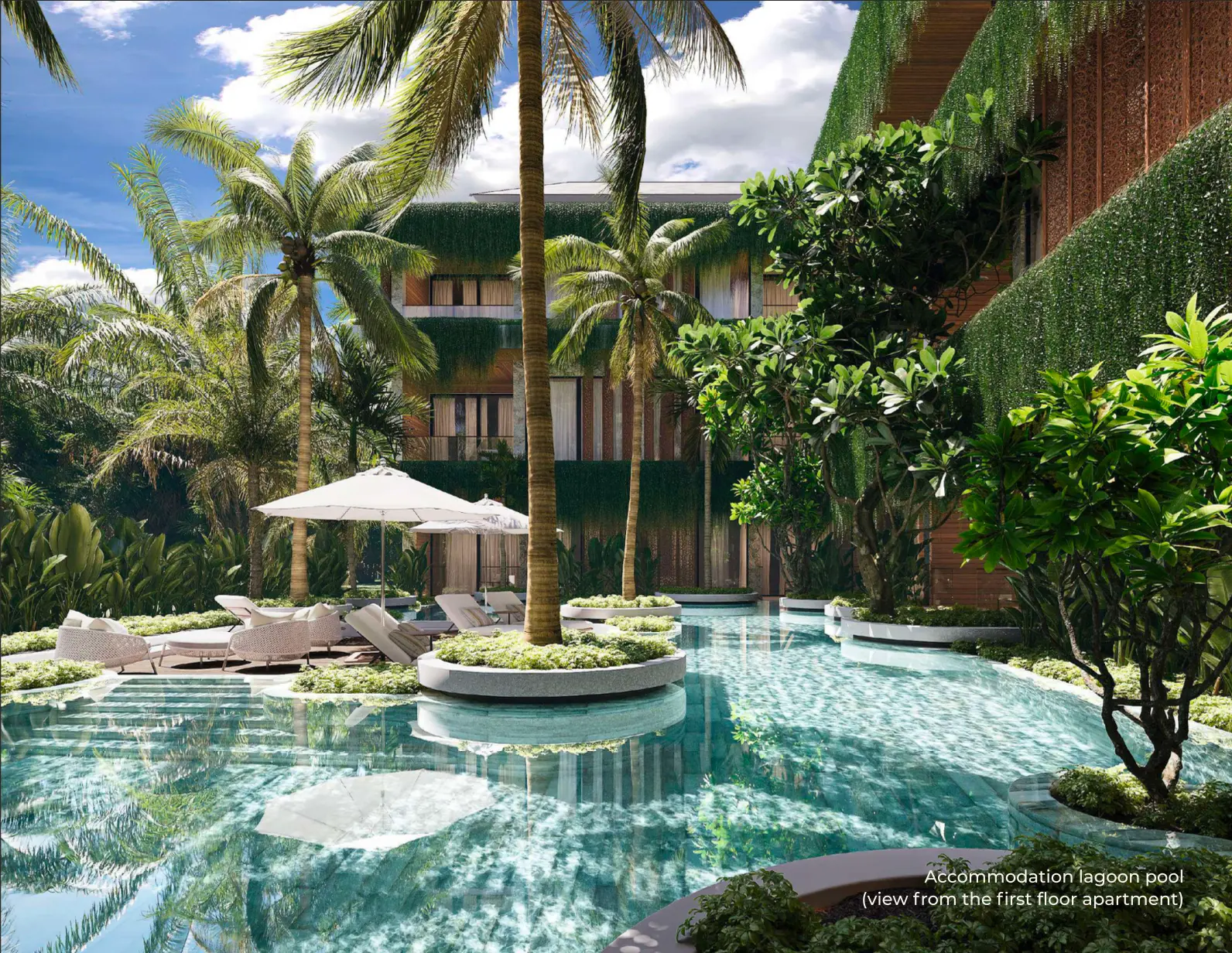
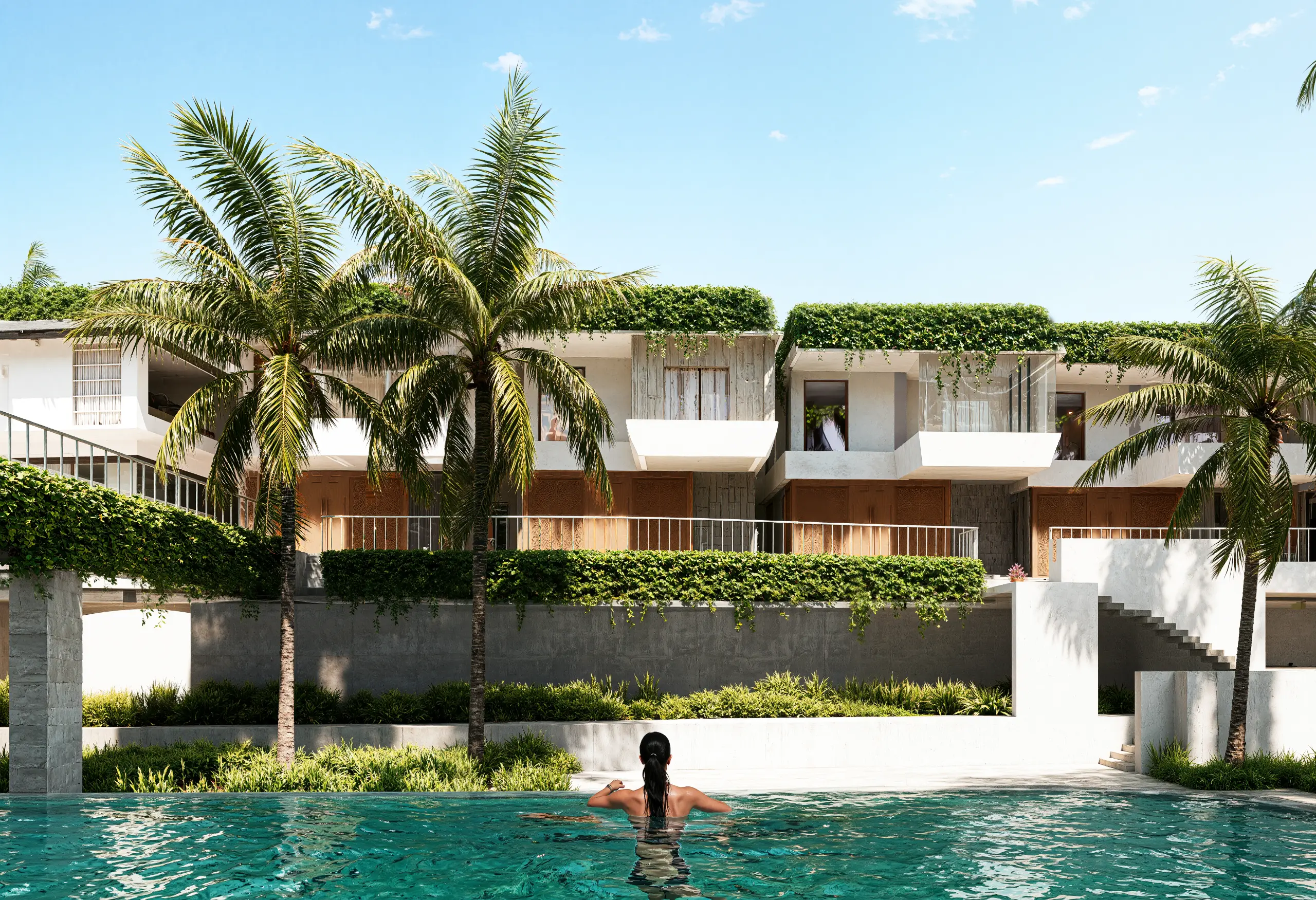
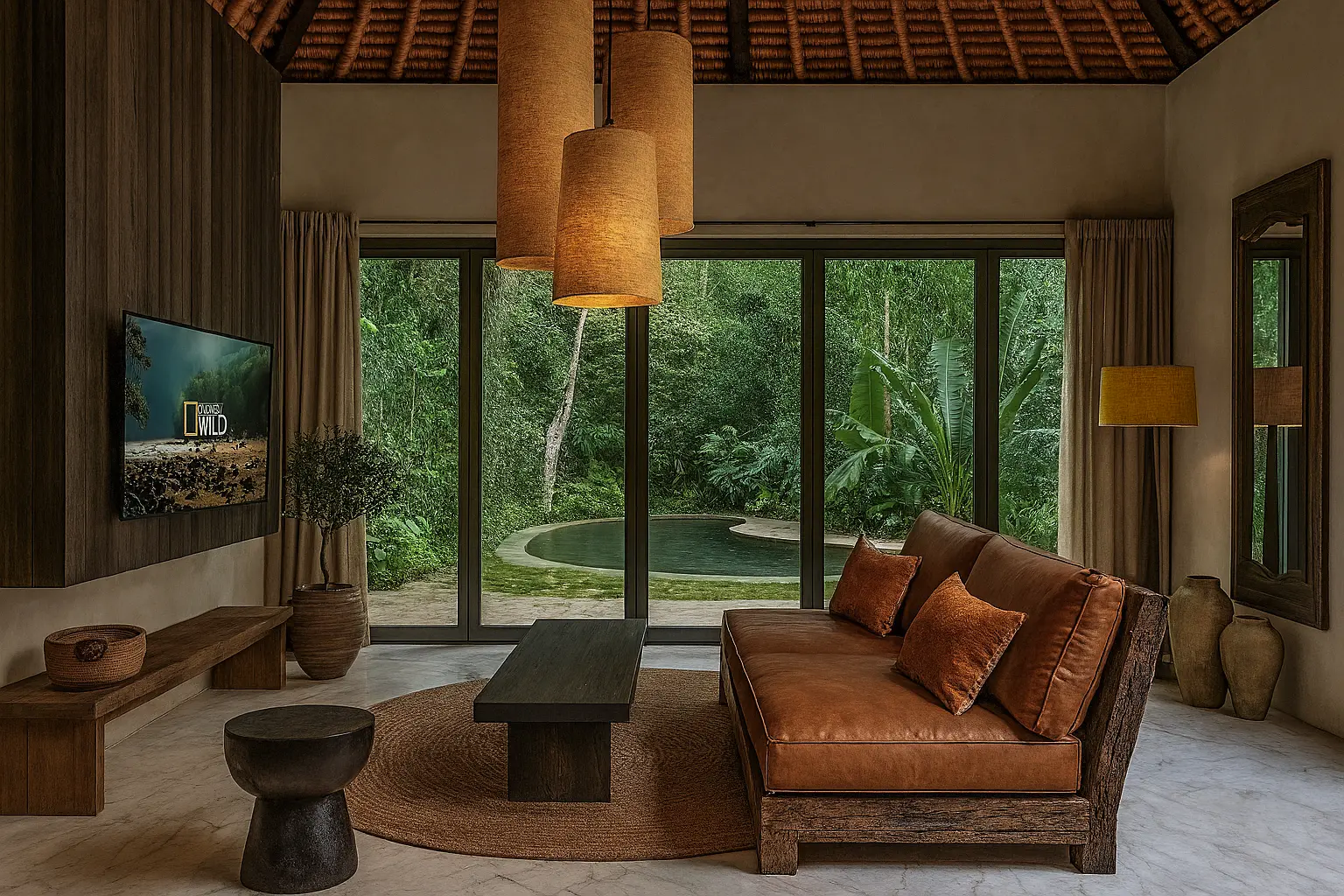
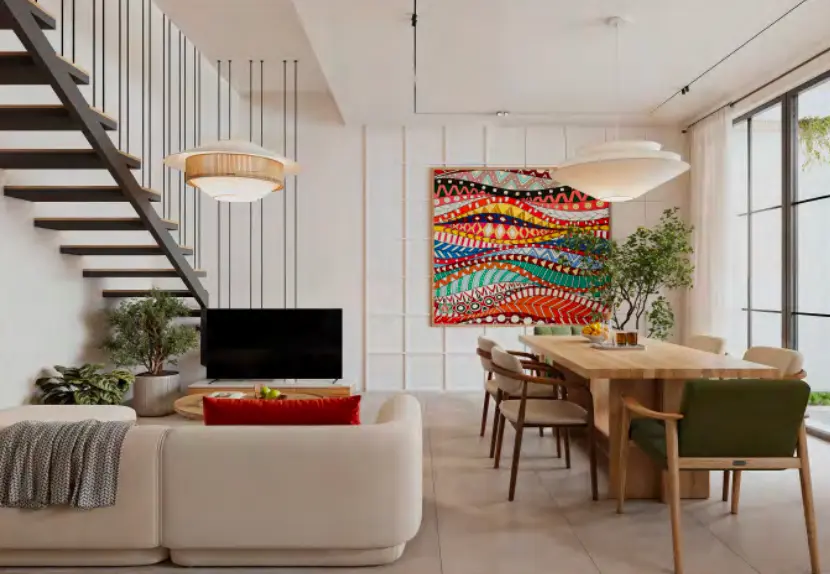
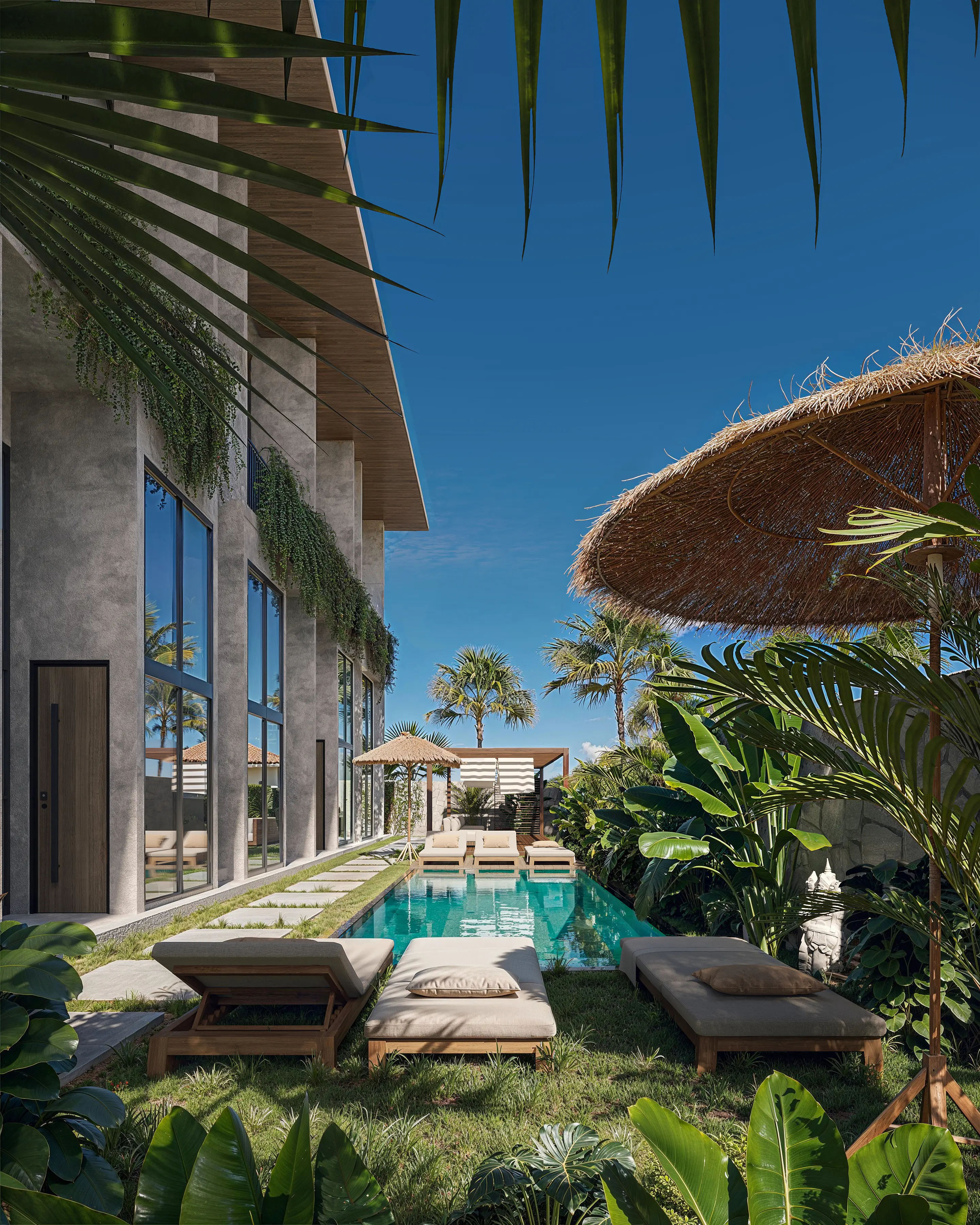
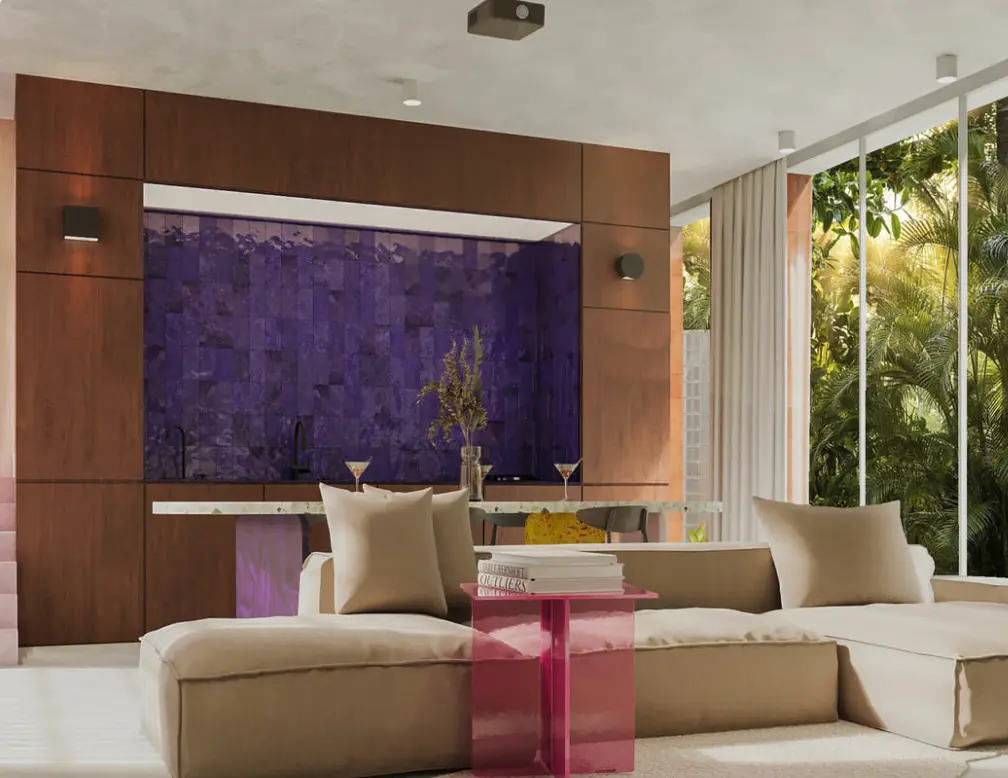
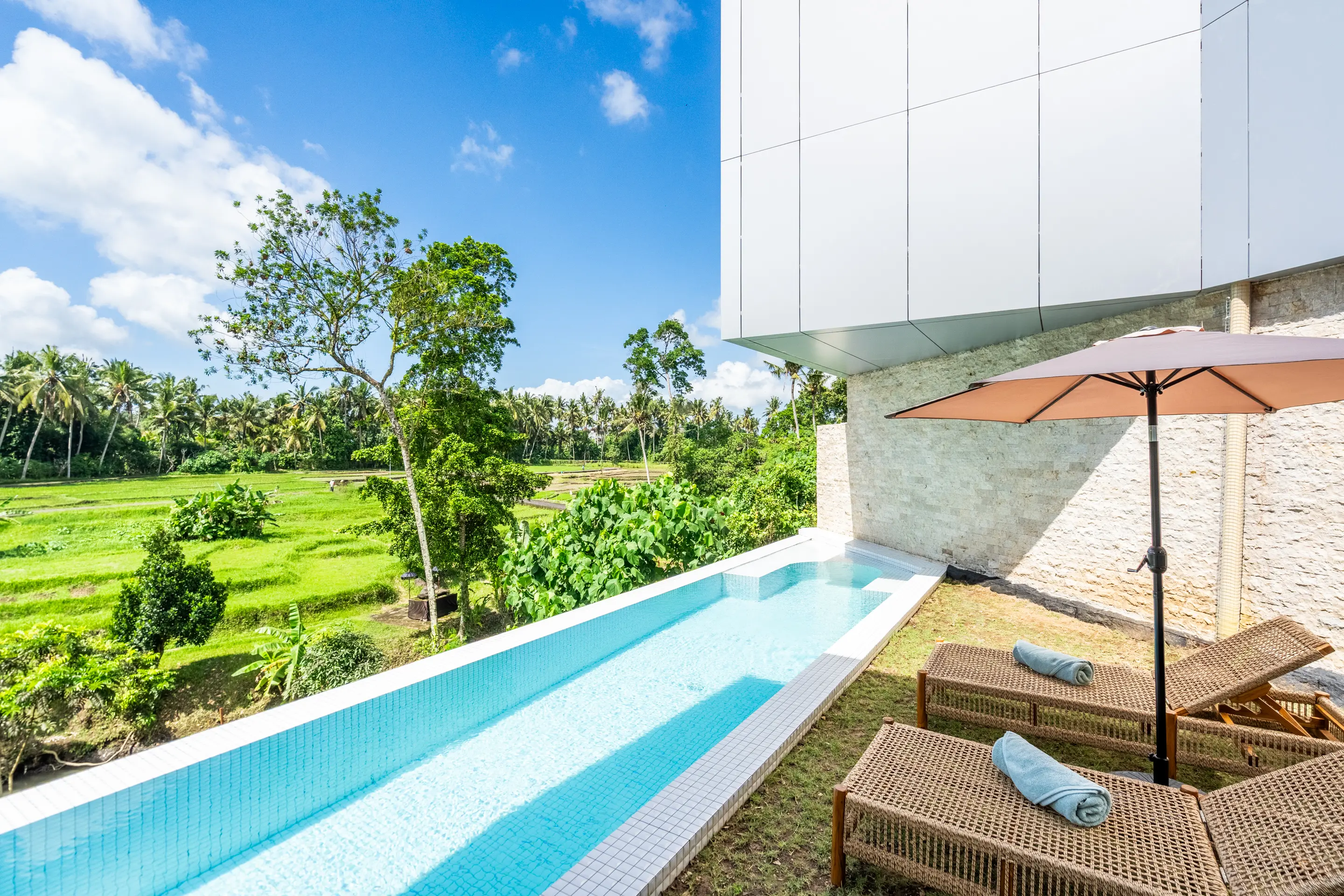
Ubud's apartment inventory is modest. Unlike Canggu's operator-integrated hotel-managed apartment market or Nusa Dua's branded-residence segment, Ubud apartments tend toward boutique serviced-residence buildings concentrated around Ubud center — projects of 10-30 units rather than the 50-100+ unit buildings more common elsewhere on Bali.
Our dataset tracks 6 active primary-market projects with apartment inventory in Ubud. Apartment-unit prices span from $94,000 at the compact studio entry to $173,512 at the current top; median sits at $145,000 — notably lower than Canggu's apartment median reflecting the smaller-footprint boutique character. The pipeline is considerably smaller than Ubud's villa segment — apartments represent a minority share of the region's overall 40-project total.
Why Ubud's apartment market stays small
Three structural factors keep Ubud's apartment pipeline compact compared to coastal Bali. First, buyer demand pattern: Ubud visitors often stay weeks rather than days, and long-stay guests typically prefer villa or house product over apartment formats. Second, land economics: Ubud's larger lot sizes in the jungle-and-rice-field context favor villa compound development over mid-rise apartment building economics. Third, zoning constraint: most of Ubud's Yellow-zone land restricts daily-rate STR, which is the primary economic model behind apartment buildings in coastal Bali.
The apartment inventory that does exist in Ubud typically targets monthly-rate residential operators — serviced apartments for long-stay digital-nomad or wellness-tourist guests — rather than the daily-turn Airbnb economics common elsewhere.
Typical configuration
Ubud apartments usually come in studio (30-50 m²) and 1-BR (50-80 m²) formats. 2-BR apartment product is rare. Building amenities typically include pool, yoga space, co-working area — explicit nods to Ubud's wellness-and-remote-work buyer base. Private outdoor space varies: balconies common, private courtyards occasionally.
Completion timing in Ubud apartments favors completed inventory relative to Ubud's villa pipeline, as serviced-residence buildings tend to deliver faster than larger villa compounds.
Operator models
Ubud apartment operator arrangements differ from coastal Bali norms. Instead of daily-rate short-term rental pools, Ubud operators typically run monthly-rate residential programs. This means:
- Revenue cycles are smoother but lower-peak than daily-STR models
- Occupancy rates are typically higher (long-stay guests mean fewer voids)
- Operator revenue-share terms often lower (10-25% gross rather than 20-40%)
- Tax treatment may differ from conventional STR operations
Buyers should verify per-project operator arrangements and understand the monthly-rate economics before committing.
Tenure and zoning
Ubud apartment tenure: leasehold-dominant with occasional freehold-via-PMA structures. Lease terms standard 25-30 year Bali norms.
Zoning: mostly Yellow (residential, STR grey-area) or unrecorded — reflecting Ubud's residential-first land-use character. The small Pink-zone apartment inventory commands a premium for explicit STR rights.
Who buys Ubud apartments
Buyer profile skews toward two archetypes. Long-stay residents and remote-work professionals buying 1-BR apartments as primary or long-secondary residences. Monthly-rate operator investors running serviced-residence programs for the digital-nomad and wellness-tourist market. Daily-rate STR investors are rare — the economics don't favor apartment buildings in Ubud's demand pattern.
Related searches
- Ubud overview
- Villas in Ubud
- Apartments in Canggu — coastal apartment counterpart