Anteya Research
Orange Zone in Bali: Mixed-Use Land Explained for Foreign Buyers (2026)
July 12, 2026
Across roughly 5,300 buyer conversations Anteya logged between 2023 and 2026, the single question that stalls a Bali land deal more than price is not "how much" but "what can I actually do on this plot?" Zone colour is the answer, and the orange zone is the one buyers understand least. This article explains what orange-zone (mixed-use) land permits, in the words buyers actually used when they asked us.
On the informal colour maps agents pass around, an orange plot usually signals mixed-use land: residential living combined with limited commercial or trade-and-services use on the same parcel. That combination is the appeal. It is also where most of the misunderstandings start, because a mixed-use designation is a planning label, not a rental licence, and the two get conflated constantly. Treat the colour as a starting hypothesis and verify it against the current RDTR (the regency detailed spatial plan) before you write an offer.
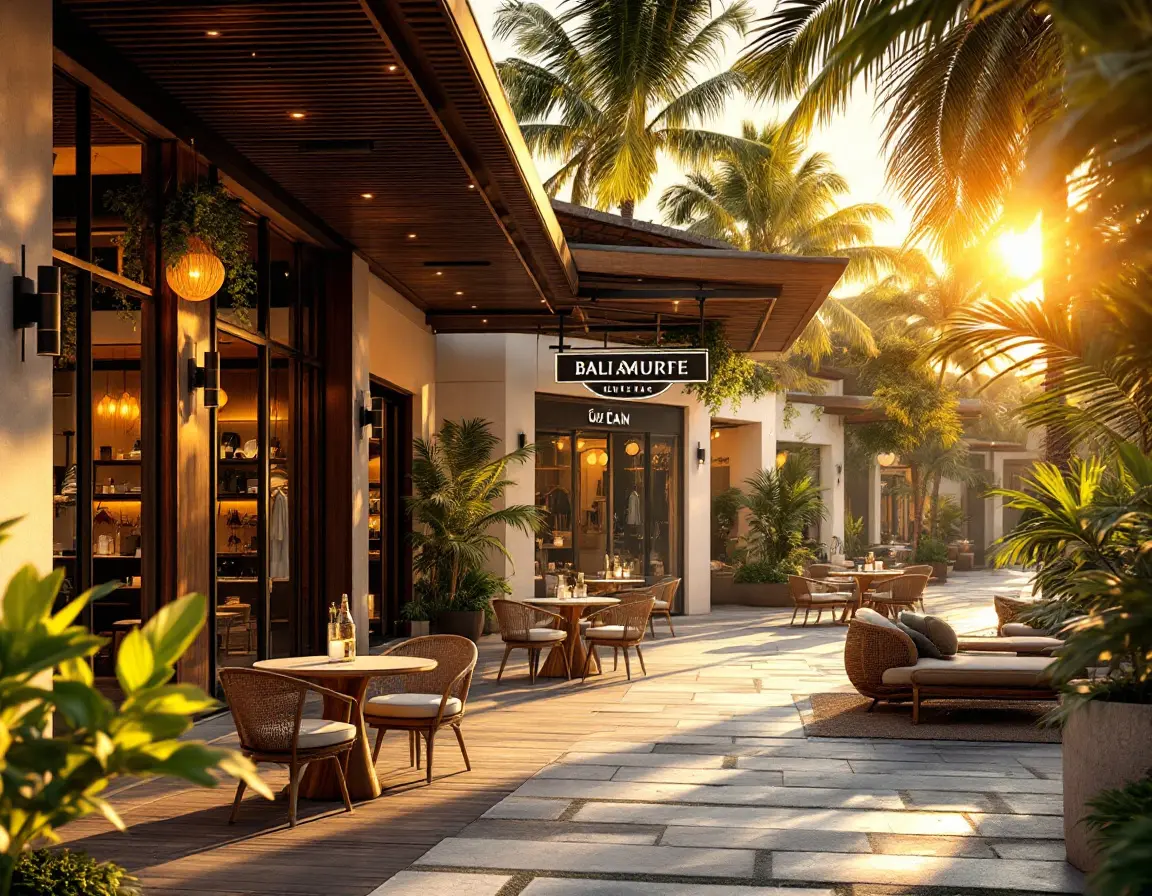
!(/images/orange-zone-hero.jpg)
What an orange zone actually permits, and where it stops
The colours foreign buyers hear about (pink for tourism, yellow for residential, green for agriculture or protected land) are a simplification of Indonesia's spatial planning system. The authoritative document is the regency-level RDTR, which assigns each parcel a designated function. What buyers call "orange" typically maps to a mixed or trade-and-services designation (often described in Indonesian planning terms as perdagangan dan jasa combined with residential use). The practical read: you can build a home to live in and, subject to the right licences, run a modest commercial or income-generating activity from the same land.
The flexibility is real, but it is bounded. Typical (verify against the current RDTR) limits attached to a mixed-use parcel include a capped building coverage ratio, a floor-area ratio, height restrictions, mandatory setbacks from the road and neighbouring plots, and a green-space minimum. A mixed-use label does not mean "build anything." It means a wider menu of permitted functions than a purely residential yellow plot, inside the same physical envelope. The commercial component is usually meant to be small-scale and compatible with a residential neighbourhood, not a warehouse or a nightclub.
Anteya observation: In our conversation logs, buyers who ask about zone colour raise commercial or rental use in the same thread far more often than they raise it alone. The two questions are effectively one question in the buyer's head, which is exactly why the mixed-use zone gets over-read as a blanket rental permit. It is not one.
Who actually buys orange-zone land
Three buyer profiles recur in our records. The first wants a home with a small income tail: a main villa plus a studio or two to let, or a ground-floor cafe under an upstairs residence. The second is a small operator (a wellness studio, a co-working space, a boutique guesthouse) who wants to live above or beside the business. The third is a longer-horizon investor who values the optionality: a mixed-use parcel can pivot between residential rental and light commercial as the neighbourhood matures, which a strictly residential plot cannot.
I am looking to rent out
Buyer inquiry, Anteya CRM, 2025
That one line hides a fork. Renting out a residence long-term is a different activity, with different licensing, from running short-stay accommodation or an actual shopfront. The orange zone can accommodate more of that spectrum than a yellow plot, but each activity still needs its own permission. The zone opens the door; the licence lets you walk through it.
Mixed-use is not a rental licence: how Pondok Wisata and KBLI fit
This is the section buyers skip and regret. A mixed-use zone tells you a commercial function is permitted in principle on the land. It does not, by itself, let you take paying guests or invoice a customer. For that you need the activity-level licensing.
So for Airbnb, we should choose a pink zone? For more flexibility of way of rentals
Buyer inquiry, Anteya CRM, 2025
The instinct in that quote is half right. Short-stay tourist accommodation is most cleanly licensed through a Pondok Wisata (a small-scale tourist-lodging licence), and Pondok Wisata is typically tied to zones that allow tourism or commercial accommodation use. An orange mixed-use plot may qualify where the designation includes a tourism or trade-and-services function, but this is parcel-specific and must be confirmed on the RDTR, not assumed from the colour. Our Pondok Wisata rental licence guide walks through what the licence covers and where it applies.
Underneath the licence sits the KBLI code: Indonesia's standard business-classification system, registered through the OSS online licensing platform. Any commercial or rental activity is run through a legal entity holding the matching KBLI code, and for foreign owners that entity is almost always a PT PMA, the foreign-owned Indonesian company. The chain is: correct zone, then a company with the right KBLI code, then the activity-level licence (such as Pondok Wisata for short stays). Skip a link and the income stream is informal, which is where enforcement risk lives. Indonesian licensing rules change, so confirm the current KBLI and OSS requirements with a notaris before you build a business plan on them.
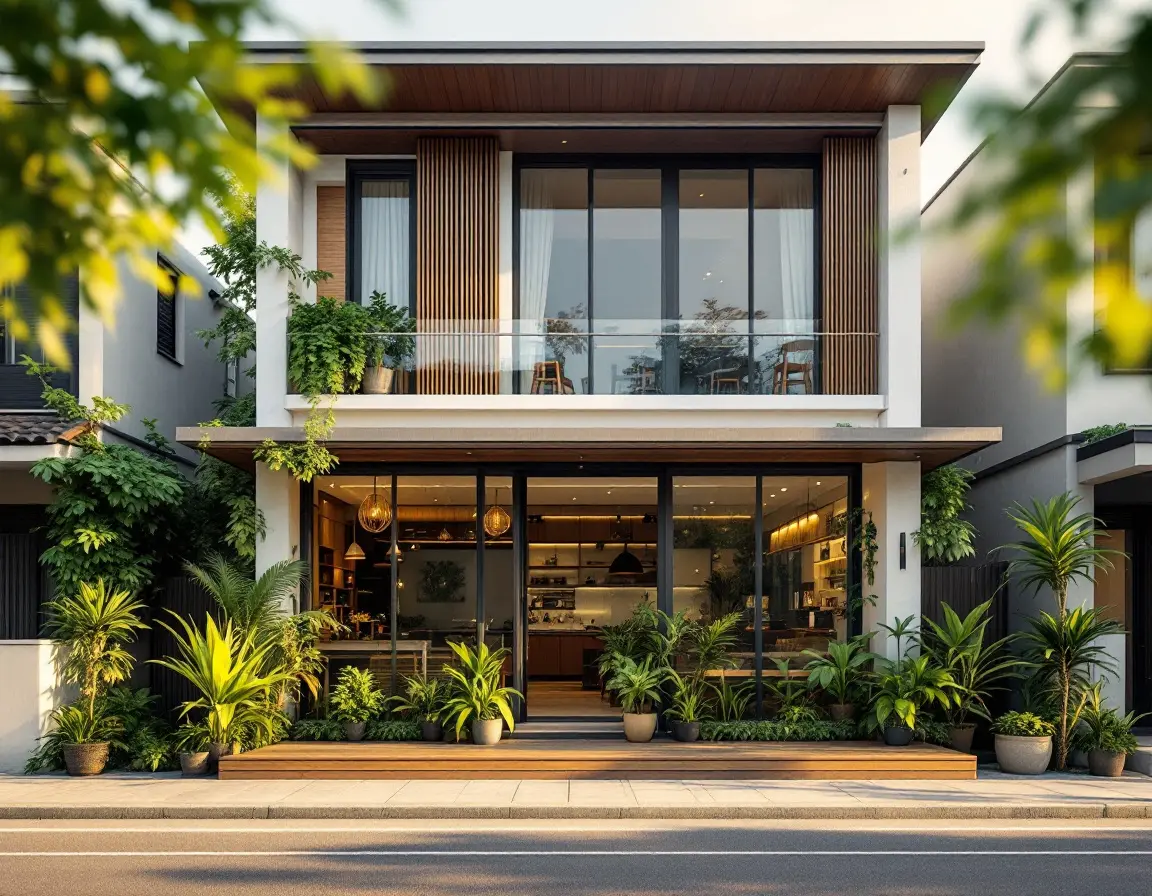
!(/images/orange-zone-licensing.jpg)
How to verify a plot is actually orange
Colour maps circulating on WhatsApp are the single biggest source of false confidence we see. Buyers screenshot a zoning overlay, zoom in, and guess.
Because I saw a map and when I zoom in it gets kinda blurry but still it looks like they are on the outside of the pink zone.
Buyer inquiry, Anteya CRM, 2025
A blurry screenshot is not verification. The reliable path: pull the parcel's designation from the official regency RDTR (Badung, Gianyar, Tabanan and the others each publish their own), cross-reference the plot's certificate and coordinates, and where the boundary is ambiguous, have a notaris or a licensed planning consultant confirm the designation in writing. Zone boundaries do not follow road lines neatly, and a single parcel can straddle two designations. For the wider colour system and how the zones interact, start with our Bali zoning explainer. You can also cross-check regulation references through Indonesia's public legal database at peraturan.bpk.go.id.
What to check before you commit
Use this as a pre-offer checklist. Every row is something we have seen derail a deal after money moved.
| Check | Why it matters | Where to confirm |
|---|---|---|
| RDTR designation of the exact parcel | Colour maps are approximate; the RDTR is authoritative | Regency RDTR portal, notaris |
| Certificate type and title | Determines your ownership route as a foreigner | Notaris, BPN land office |
| PBG (building permit) status or feasibility | The old IMB permit was replaced by PBG; a plot may not be buildable as you imagine | Local permitting office, developer |
| Building coverage, height, setbacks | Mixed-use does not mean unlimited build | RDTR technical rules |
| KBLI and licence path for your intended use | Zone permits the function; licence enables the activity | OSS, notaris |
| Access, road status, utilities | Roadside commercial value depends on legal access | Site visit, banjar |
PBG certificate obtained
Buyer inquiry, Anteya CRM, 2025
That message came from a buyer who assumed the permit settled everything. It does not. The PBG (Persetujuan Bangunan Gedung, which replaced the older IMB permit in 2021) confirms the building itself is approved; it says nothing about whether your intended commercial activity is licensed, or whether the parcel's zone supports it. Read the PBG as one green light among several, not the finish line.
Common mistakes foreign buyers make
The recurring errors are consistent. Reading zone colour as a business licence, and assuming an orange plot means you can run short stays without a Pondok Wisata. Trusting a zoomed-in screenshot instead of the RDTR. Buying land that is orange on the map but split by a boundary, so half the parcel carries a function you did not want. Building the maximum footprint before checking the coverage ratio. And structuring the purchase without deciding, up front, whether the commercial component runs through a PT PMA, which shapes both the title route and the tax picture.
None of these are exotic. They come from treating a planning label as a permission slip. The orange zone is useful precisely because it widens what is permitted; the discipline is confirming, parcel by parcel and licence by licence, that the use you want is one of the permitted ones.
FAQ
For Airbnb, should we choose a pink zone for more flexibility of rentals?
Short-stay accommodation is most cleanly run in a zone that permits tourism use, licensed through a Pondok Wisata. A pink tourism plot is the clearest fit, but an orange mixed-use parcel can qualify where its designation includes a tourism or trade-and-services function. Confirm the specific parcel on the RDTR rather than choosing by colour alone.
How do I check which zone a plot is in when the map gets blurry?
A zoomed-in screenshot is not proof. Pull the parcel's designation from the official regency RDTR, match it to the land certificate and coordinates, and have a notaris confirm it in writing where the boundary is unclear. Zone lines do not follow roads neatly, and one parcel can straddle two designations.
What does "PBG certificate obtained" actually mean?
PBG (Persetujuan Bangunan Gedung) replaced the older IMB building permit in 2021. It confirms the building is approved to be constructed and used as specified. It does not confirm that your commercial or rental activity is licensed, nor that the zone supports it. Treat it as one approval among several.
What land title is orange-zone land sold under?
Mixed-use plots are sold under the same title routes as other Bali land: commonly leasehold (Hak Sewa) for foreigners, or Hak Guna Bangunan held through a PT PMA where a commercial use is planned. The zone does not fix the title; your ownership goal and intended use do. Confirm the exact title and remaining term with a notaris.
Can I run a business from an orange-zone property?
Often yes, if the parcel's mixed-use designation includes your business type and you hold the matching KBLI code through a legal entity, usually a PT PMA for foreign owners. The zone permits the function; the KBLI-coded company and any activity licence enable it. Small, residential-compatible commercial uses are the intended fit, not heavy or high-impact operations.
I am looking to rent out. Can I do that on orange-zone land?
It depends on the rental type. Long-term residential letting and short-stay tourist accommodation are licensed differently, and short stays generally require a Pondok Wisata tied to a tourism-permitting zone. An orange plot can support more of this range than a purely residential one, but each activity still needs its own licence run through the correct entity.
Anteya Research is the editorial function of Anteya Real Estate, a Bali-based investment property advisory. This article reflects patterns across roughly 5,300 buyer conversations logged in the Anteya CRM between 2023 and 2026, supplemented by first-hand observations from our Bali-based team.
This article is general information, not legal advice. Indonesian real-estate and zoning rules change and individual situations vary; consult a licensed Indonesian notaris (notary) for your specific purchase.