Anteya Research
Bali LSD Land: Check Protected Rice Fields Before You Buy (2026)
July 27, 2026
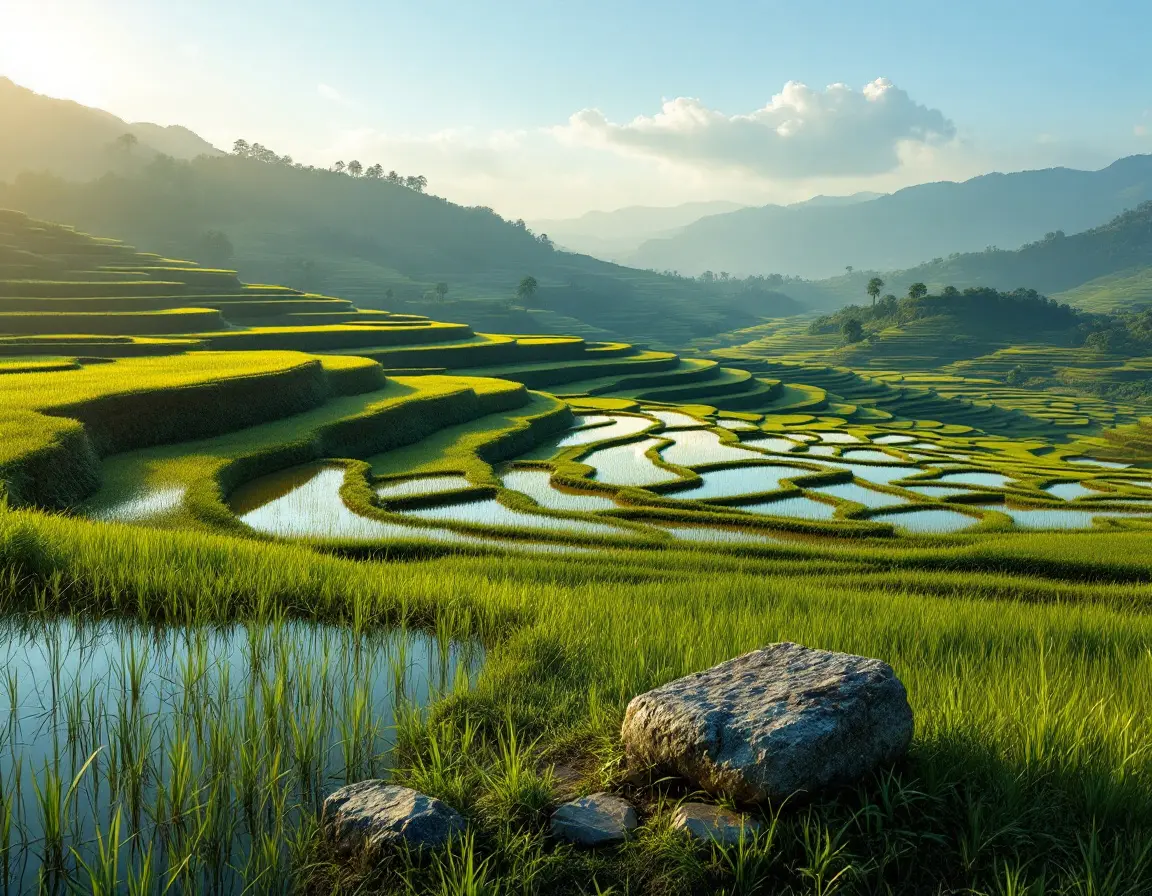
The rice-view plot you fell in love with may be the exact plot you are not allowed to build on. In Indonesian planning language it can be flagged LSD, short for Lahan Sawah Dilindungi, protected wet-rice paddy land. Land carrying that flag generally cannot be freely converted or built on, which makes it effectively un-buildable until (rarely) released. The check takes an afternoon. Skipping it can cost you the whole deposit.
!(/images/hero.jpg)
What LSD is, and why the government protects it
LSD is a national-level protection layer over land classified as active irrigated paddy (sawah). As of early 2026 it is administered under Indonesia's program to control the conversion of paddy land, with the protected-field maps reportedly set by ministerial decree at the ATR/BPN level and pushed down into regency planning. The stated goal is food security: every hectare of sawah that turns into villas is a hectare that stops growing rice, and the country has been losing that land fast.
In Bali the stakes carry an extra layer. Much of the island's paddy is irrigated through subak, the thousand-year-old Balinese water-temple cooperative system that UNESCO recognizes as world heritage. Protecting sawah here is not only agricultural policy; it is tied to a living cultural landscape, which is part of why enforcement around rice land has been tightening rather than loosening.
The practical takeaway: LSD is not a soft guideline a developer negotiates around at the banjar (village council) level. It sits above local zoning, and releasing a plot from it, where possible at all, is a slow administrative process.
Anteya observation: In our deal flow, zoning and land-status questions surface in a small but growing share of buyer conversations, and they almost always arrive late, after the buyer has committed to one specific rice-view plot. The check that should happen first tends to happen last.
Why this matters to you as a buyer
The cruel irony: the more beautiful the rice-field view, the higher the odds the land in front of you, or the land your villa would sit on, is protected sawah. Views sell, so off-plan projects cluster on the edge of active paddy. Some of those edges are fine. Some are LSD.
A plot flagged LSD is a problem whether you buy freehold or lease it. Indonesian planning rules do not treat an LSD plot as freely developable simply because a contract was signed over it. If the land cannot legally take a building permit, the villa you paid a deposit toward does not get built, or gets built into a demolition risk.
"Because i saw a map and when i zoom in... It gets kinda blurry bit still it looks like they are on the outside of the pink zone."
Buyer inquiry, Anteya CRM, 2025
That buyer had the right instinct and the wrong tool. A blurry zoom on a marketing map cannot tell you LSD status. The pink (tourism) zone and the LSD layer are two different overlays; a plot can look fine on one and be blocked on the other.
How to check whether a plot is LSD
Treat this as a document exercise, not a vibe check. As of early 2026 the sequence we would follow, and would ask any buyer to confirm against the current local rules, looks like this:
- Get the exact coordinates or certificate number, not the project name and not a screenshot. You need the specific parcel.
- Check the parcel against the regency spatial plan (RDTR) and the ITR/land-use overlay. Zoning color and permitted use are read here. This is a separate question from LSD but you want both answers. Our primer on what RDTR and ITR documents actually are walks through these two documents.
- Check LSD status specifically. The protected-paddy layer is reportedly published through the national spatial-planning viewer and cross-referenced at the regency land office (Kantor Pertanahan / Dinas). The national viewer is a starting point; the authoritative answer sits with the local office. Verify the current portal and office with your notaris, because portal names and access have changed before.
- Pull the KKPR, the land-use conformity approval, if the project claims to have one. A genuine KKPR for residential use over that parcel is strong evidence the land is not blocked. Read how KKPR land-use conformity works before you accept one at face value.
!(/images/rdtr-viewer-check.jpg)
"What land title is each villa sold under (Hak Pakai, HGB, or leasehold)?"
Buyer inquiry, Anteya CRM, 2025
Note what this buyer did: they asked for the title structure per unit, in writing, before committing. Extend that same discipline to LSD. Ask for the parcel's status and the document that proves it.
What happens if you buy LSD land unknowingly
The failure modes are not dramatic on day one, which is what makes them dangerous. The deposit clears, construction is "starting soon," and the problem only surfaces when the permit stalls. As of early 2026 the reported consequences of building on protected sawah range from a permit that never issues, to a stop-work order, to demolition exposure if a structure went up without a valid building permit. Recovering a deposit after that point depends entirely on your contract, and off-plan contracts often protect the developer's timeline, not your land-status risk.
This is why the check belongs before the deposit. Money that has left your account is far harder to argue back than a deal you simply walked away from.
How LSD relates to the green zone and subak
Buyers often collapse three different things into one word, "green," and that confusion is where mistakes hide.
- The green zone (jalur hijau) is a Bali RTRW/RDTR classification: agricultural or protected land where residential building is generally restricted. It is a local-planning layer.
- LSD is the national protected-paddy layer. It frequently overlaps the green zone, but it is set and read separately, and it can catch land the local map alone would not flag clearly.
- Subak is the irrigation and cultural system on the ground. Land inside an active subak command area is exactly the land most likely to be both green-zone and LSD.
A plot can sit just outside the pink tourism zone, look developable on a quick glance, and still be LSD. For the wider color-coding logic, our Bali zoning 101 guide to pink, yellow, and green zones is the hub piece that frames all of this.
"We should choose a pink zone ?"
Buyer inquiry, Anteya CRM, 2025
Short answer to that buyer: pink helps for tourism and rental use, but "pink" alone does not clear the LSD question. Both checks have to pass.
What to verify: a pre-deposit checklist
Run this before any money moves. Ask for each item in writing.
- Parcel identity: exact coordinates and certificate number for the specific plot, not the project.
- Zoning: RDTR color and permitted use for that parcel.
- LSD status: explicit confirmation the plot is not on the protected-paddy layer, with the source document, verified at the regency office.
- KKPR: land-use conformity approval covering residential use over that parcel, if claimed.
- Building permit path: PBG (the building approval that replaced the old IMB) either in hand or credibly obtainable for that land.
- The developer's track record on the same land type. See how to evaluate a Bali developer before a deposit.
"Have you checked the developer?"
Buyer inquiry, Anteya CRM, 2025
Common mistakes
- Reading the marketing map instead of the parcel. Project brochures show the vibe, not the legal overlay.
- Assuming "outside the green zone" means "clear." LSD is a separate layer; confirm it by name.
- Taking "permit is in process" as a green light. For LSD land, the permit may be exactly what will never arrive.
- Checking after the deposit. The only cheap moment to discover an LSD flag is before the money moves.
This article is general information, not legal advice. Indonesian land rules change and every parcel is different; confirm LSD status, zoning, and permits with a licensed Indonesian notaris (notary) and the relevant regency office before you commit.
FAQ
How do I check if a Bali plot is LSD before I pay?
Get the exact coordinates or certificate number, then check the parcel against the regency spatial plan (RDTR) and the protected-paddy (LSD) layer. As of early 2026 the national spatial-planning viewer is a starting point, but confirm the authoritative status at the regency land office through your notaris. Do this before any deposit.
Can LSD land ever be released for building?
Sometimes, but treat it as rare and slow. Release from protected-paddy status is an administrative process handled at the government level, not something a developer negotiates locally. As of early 2026 you should assume an LSD plot is un-buildable unless a release is already documented. Verify any release claim with the current regency office.
What happens if I buy LSD land unknowingly?
The building permit typically stalls or never issues, and a structure built without one can face a stop-work order or demolition exposure. Getting a deposit back afterward depends entirely on your contract, which off-plan deals often write to protect the developer. That is why the LSD check belongs before the deposit.
Is LSD the same as the green zone?
No, though they overlap heavily. The green zone (jalur hijau) is a Bali local-planning classification for agricultural or protected land. LSD is a separate national protected-paddy layer that is set and read independently. A plot can pass a quick zoning glance and still be flagged LSD, so confirm both.
What land title is each villa sold under (Hak Pakai, HGB, or leasehold)?
Ask for the title structure per unit in writing before committing. Foreign buyers commonly hold through leasehold (Hak Sewa) or through a PT PMA company with Hak Guna Bangunan; direct Hak Milik is not available to foreigners. Land status and LSD status are separate questions, so confirm both for the specific parcel.
Have you checked the developer?
You should, and on this land type specifically. Ask whether the developer has completed projects on comparable land near active paddy, and how they handled zoning and permits there. A developer who can show a clean LSD, KKPR, and permit paper trail on similar parcels is telling you something a brochure cannot.
Anteya Research is the editorial function of Anteya Real Estate, a Bali-based investment property advisory. This article reflects patterns across buyer conversations logged in the Anteya CRM between 2023 and 2026, supplemented by first-hand observations from our Bali-based team.